Song Meaning
Gene Watson's "Ain't No Fun To Be Alone In San Antone" isn't just a country lament; it's a masterclass in the geography of heartbreak. The song's genius lies in its specific setting: San Antonio, a city steeped in romance and history, becomes a cruel backdrop for a very personal abandonment. Watson doesn't just tell us he's lonely; he painstakingly maps his desolation onto the city itself, wandering from The River Walk to The Alamo, each landmark a painful reminder of what he's lost. It's a classic country trope – the heartbroken wanderer – but elevated by its precise locale. The lyrics paint a picture of a man desperately searching, but also subtly suggest a man haunted, unable to escape the memories clinging to every corner of the city.
The repeated phrase "Ain't no fun to be alone down in San Antone" takes on a deeper resonance with each repetition. It's not just a statement of fact, but an increasingly desperate plea, a mantra against the rising tide of despair. The contrast between the vibrant, festive atmosphere one imagines in San Antonio and the singer's solitary state amplifies his pain. The margaritas at Cafe Carmalita, meant to ease the wait, only underscore his isolation as closing time forces him back into the lonely night. There's a poignant vulnerability in this scene, a portrait of a man clinging to the hope of reunion even as the evidence mounts against it.
The chorus, with its "San Antone rose" and "hillbilly romeo" imagery, reveals the depth of his idealized love. He saw her as the quintessential beauty of the city, and himself as her devoted, if perhaps slightly out-of-place, admirer. The phrase "the way that you held me I thought you'd never go" is a gut punch, a testament to the power of physical intimacy to create a false sense of security. The sudden shift to "but then you left me all alone" is stark and brutal, highlighting the chasm between expectation and reality. Ultimately, "Ain't No Fun To Be Alone In San Antone" is a study in the psychology of place and memory, demonstrating how a city can become inextricably linked to the pain of lost love. The song meaning resonates because it taps into the universal experience of heartbreak, amplified by the specific details of a time and place.
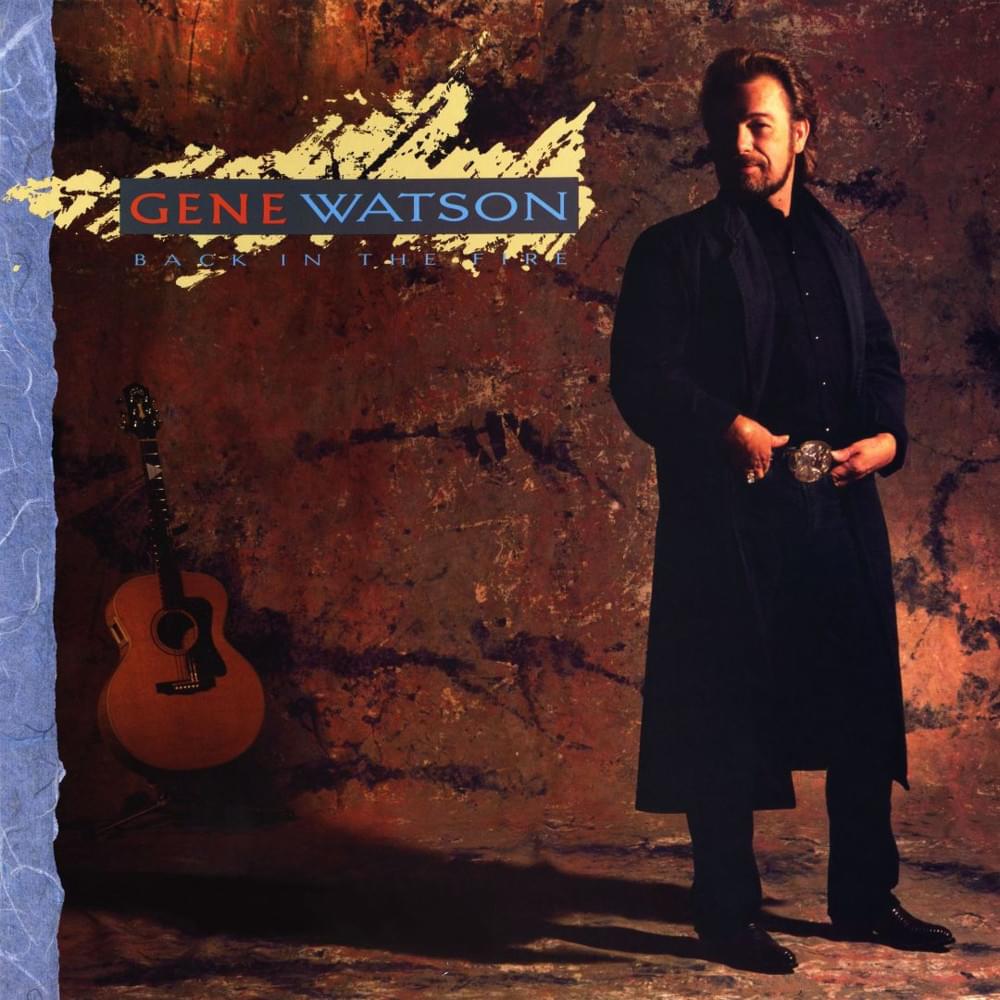
 View Artist