Song Meaning
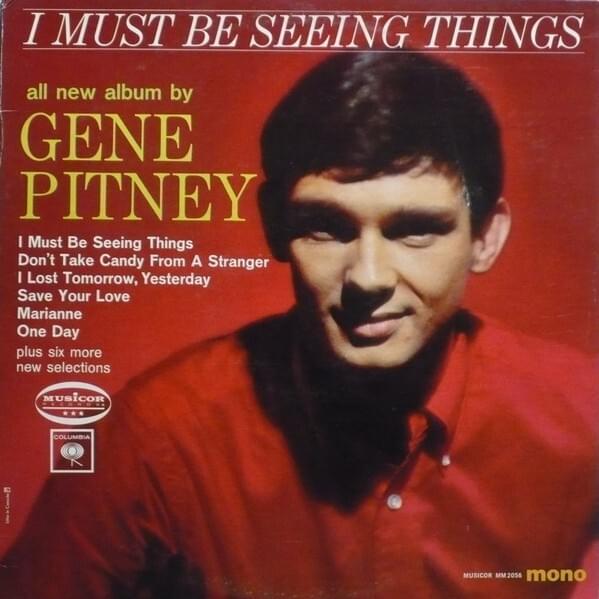
Gene Pitney's "I Must Be Seeing Things" plunges into the raw, agonizing moment of betrayal with a desperate plea for unreality. The song encapsulates the psychological defense mechanism of denial, as the narrator confronts the devastating scene of his girlfriend and best friend engaged in an intimate encounter. The opening lines, laced with incredulity, paint a picture of disbelief: "Isn't that my girl / And is that my best friend / Aren't they walking much to close together." The narrator's mind grapples with the impossible, seeking refuge in the hope that his senses are deceiving him. The lyrics capture the initial shock and the desperate attempt to rationalize the situation, clinging to the possibility that it's all a misunderstanding, a trick of the eye.
The chorus serves as the emotional core of the song, a repeated mantra of disbelief and pain. "I must be seeing things / Oh no it can't be true / I must be hearing things" is not just a statement, but a desperate wish. As the scene unfolds – the kiss, the whispered declarations of love – the narrator's world crumbles. The line "Looking through a tear / I can see him kissing her" is a stark, vivid image of heartbreak. The plea, "I'll do anything if only I was mistakin'," exposes the depth of his vulnerability and the lengths he would go to avoid facing the truth.
The bridge, albeit instrumental, offers a moment of reflection, a pause before the final descent into acceptance. The repetition of "I must be seeing things / I thought I'll never see / I must be hearing things / You made a fool of me" marks a shift from denial to a grudging acknowledgment of reality. The final lines, "Oh no, I need you so, Oh please don't go..." reveal the lingering pain of lost love and the difficulty of letting go, even in the face of betrayal. "I Must Be Seeing Things" is more than just a song about infidelity; it's a poignant exploration of the human psyche's struggle to reconcile perception with reality when confronted with profound emotional trauma. The song meaning ultimately resides in that battle between what is seen, what is heard, and what the heart desperately wants to believe.
 View Artist