Song Meaning
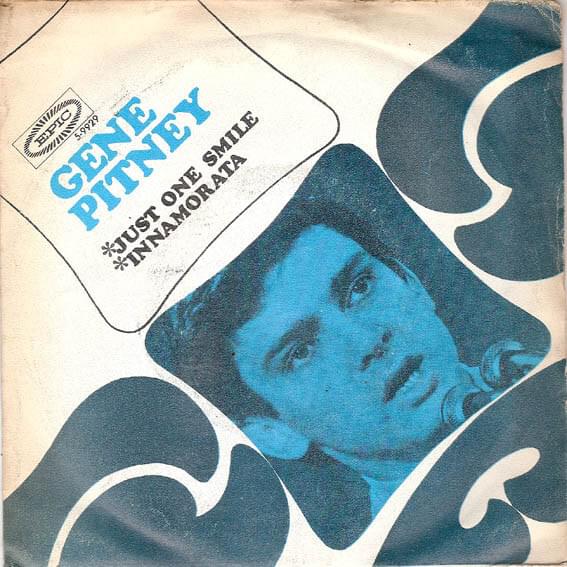
Gene Pitney’s "Just One Smile" is a masterclass in melodramatic yearning, a sonic portrait of a man teetering on the precipice of despair. The song meaning isn't buried in clever metaphor; it's laid bare in the raw, almost pathetic plea for affection. Pitney isn't constructing a narrative of heartbreak; he's dissecting the anatomy of loneliness itself, exposing the vulnerability that festers when love is withdrawn. The opening lines, "Can't I cry a little bit? There's nobody to notice it," aren't just a lament; they're an indictment of a world that has become indifferent to his suffering. He’s not seeking sympathy, but acknowledgement of his very existence. The exaggerated sorrow is the point.
The core of "Just One Smile" hinges on a desperate calculus: a single, fleeting act of kindness as the antidote to profound emotional devastation. The lyrics spell out the fantasy: "Just one smile, the pain's forgiven / Just one kiss, the hurt's all gone." This isn't about genuine reconciliation or the rebuilding of trust. It’s about a temporary reprieve, a moment of fleeting solace powerful enough to eclipse the all-consuming darkness. The repetition of the "just one smile" refrain underscores the almost childlike simplicity of his desire, highlighting the vast chasm between what he needs and the meager offering he's willing to accept. It speaks to a profound imbalance of power within the relationship, where the slightest gesture from the object of his affection holds the key to his emotional survival.
Beneath the surface of the song's simple structure lies a complex psychology of grief and dependency. Pitney's narrator isn't just mourning the loss of a lover; he's mourning the loss of his own sense of self. The lines "All I've had has been taken from me / Now I'm crying and tears don't become me" suggest a complete stripping away of identity, leaving him exposed and vulnerable. The repeated assertion that he's "trying to forget" only reinforces the impossibility of that task. His world is "dying," not dead, implying a slow, agonizing process of decay. "Just One Smile," therefore, becomes a harrowing exploration of the lengths to which a person will go to stave off complete emotional annihilation.
 View Artist