Song Meaning
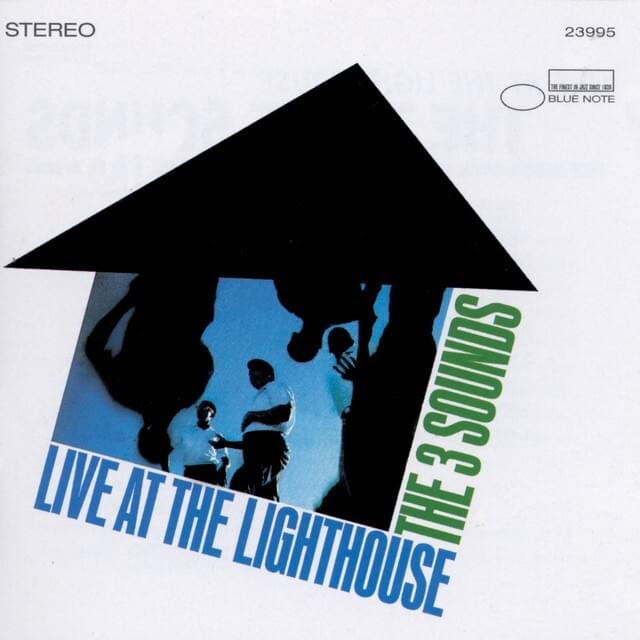
“Crying Time” immediately signals a mood, yet the track itself offers no lyrical guide. It's a purely instrumental piece, leaving the emotional heavy lifting to the music alone. This absence of words is a striking choice.
The central tension here isn't a narrative conflict, but rather the listener's own projection onto the soundscape. Without a narrator's voice, the title "Crying Time" becomes a direct invitation, almost a command, for the listener to bring their own sorrow or reflection to the fore. It's a bold move, demanding active participation.
The most interesting craft element is the deliberate void where words would typically be. This isn't just an instrumental break; it's the *entire* lyrical content. The artist has chosen silence, or rather, the language of pure sound, to convey a feeling that words might dilute or over-explain. It's a testament to music's ability to communicate beyond language.
This approach makes the track effective by creating an intensely personal experience. By withholding specific lyrical details, the piece becomes a blank canvas for individual grief, nostalgia, or quiet contemplation.
 View Artist