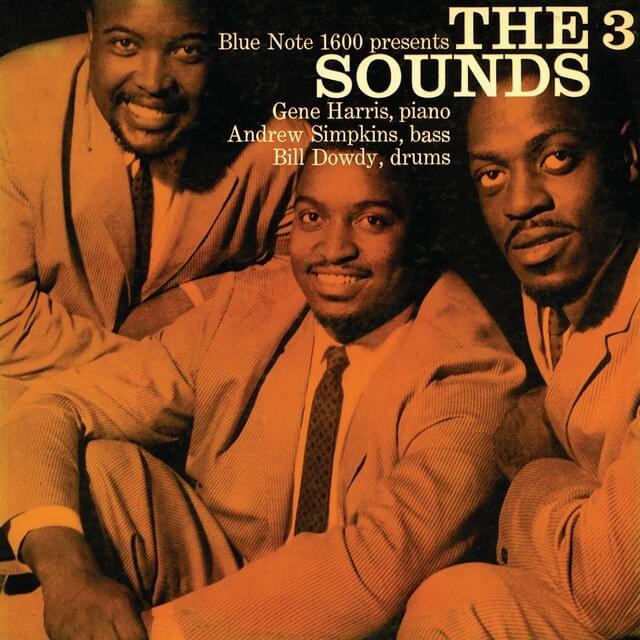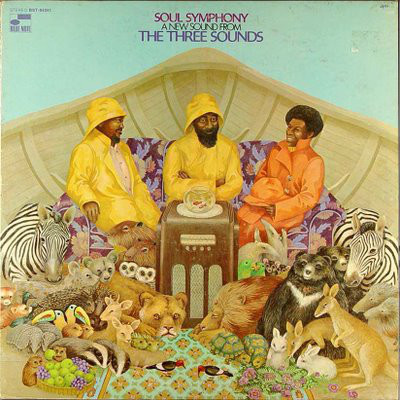
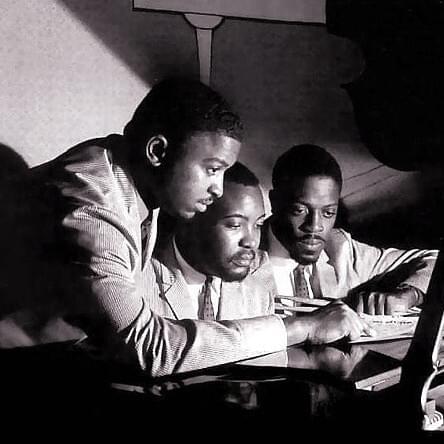
Photo of Gene Harris & The Three Sounds

Gene Harris & The Three Sounds

2.1K Listeners

Artist Bio

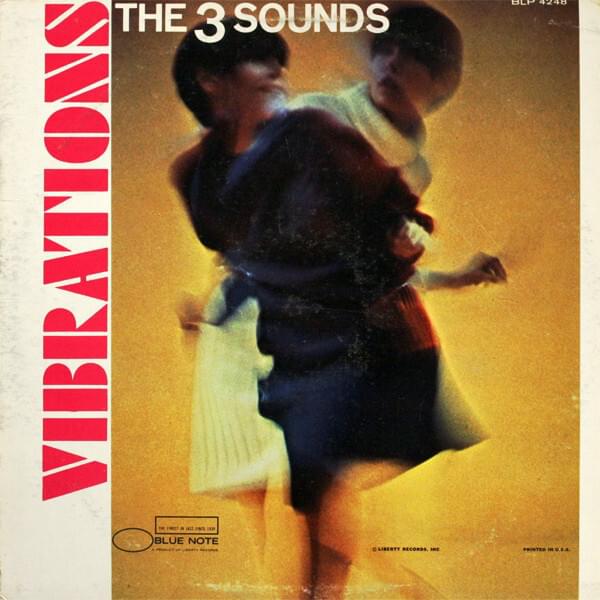
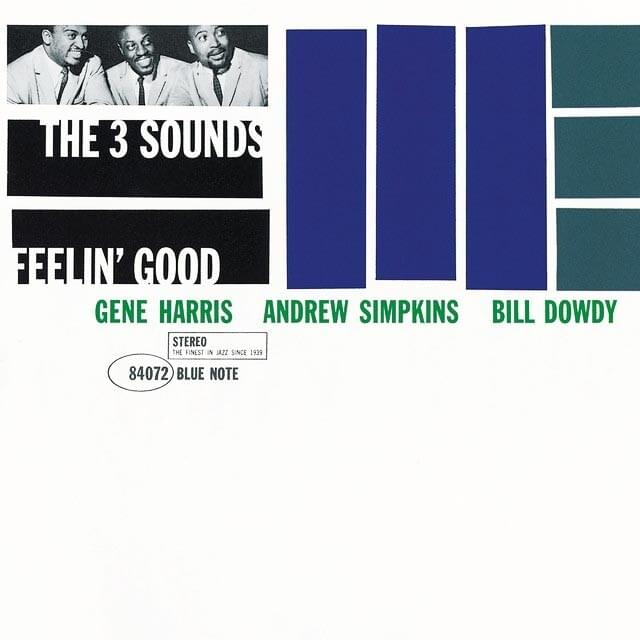
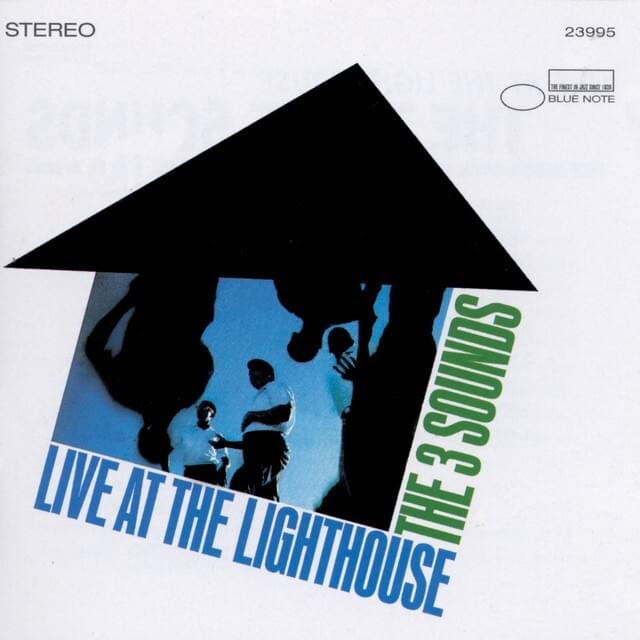
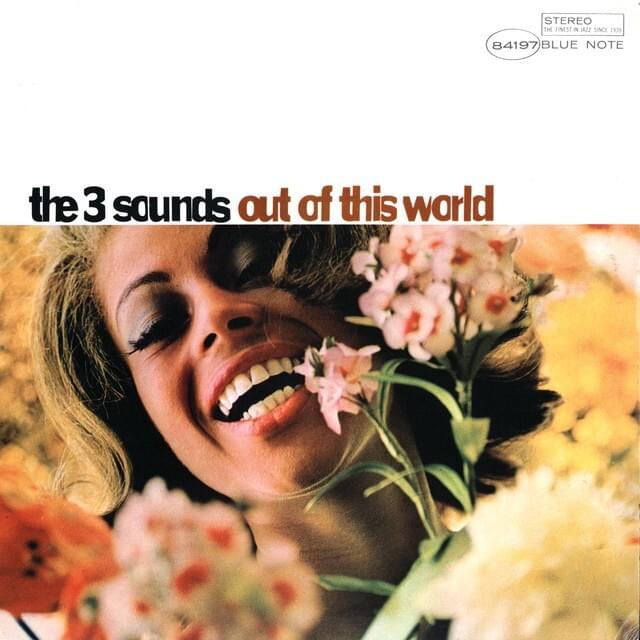
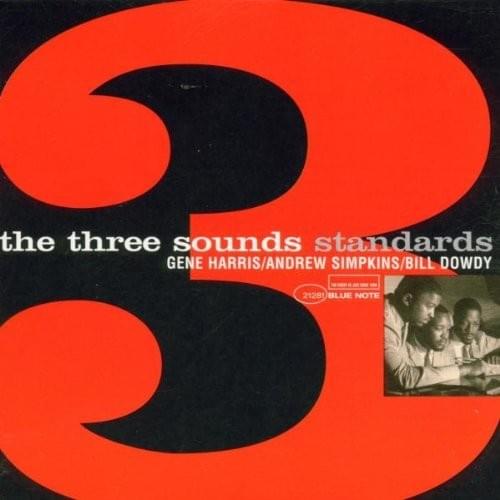
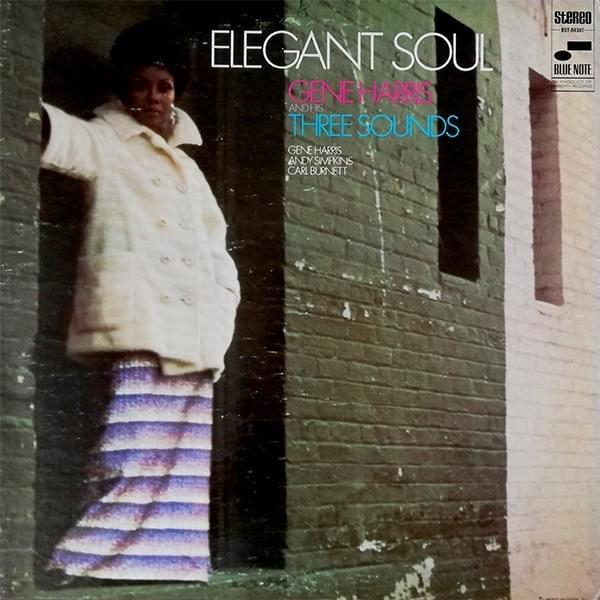
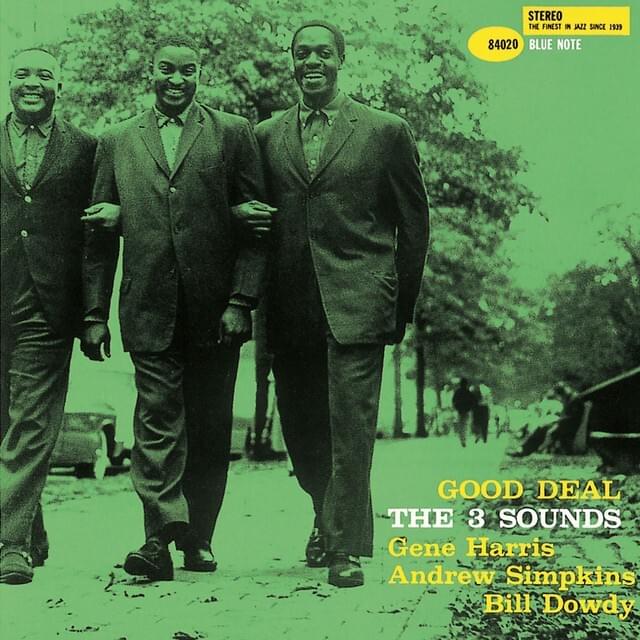
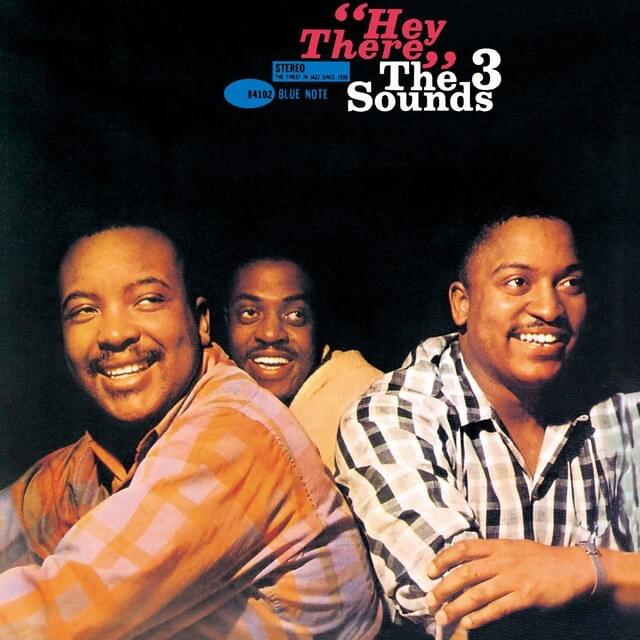
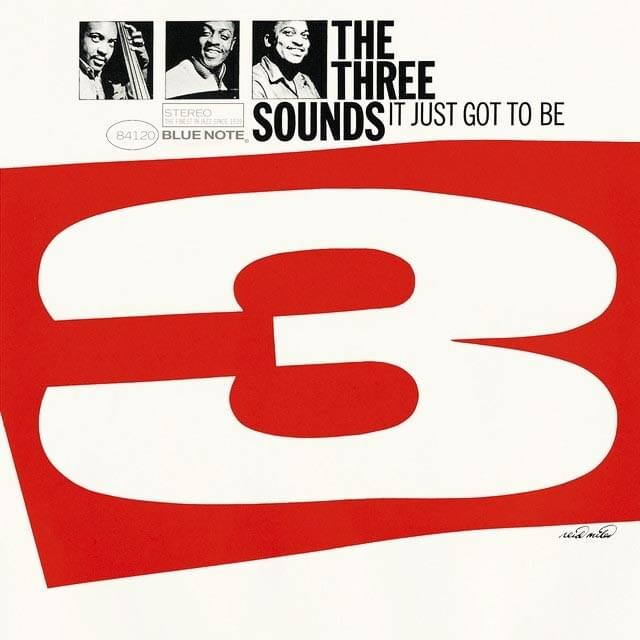
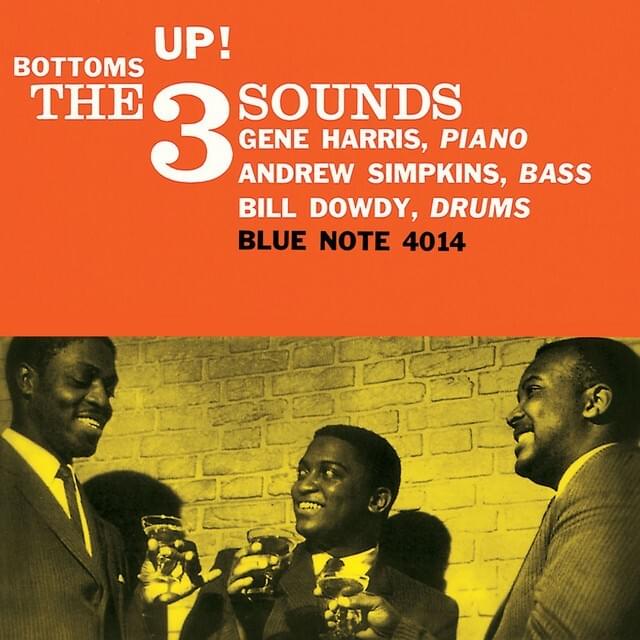
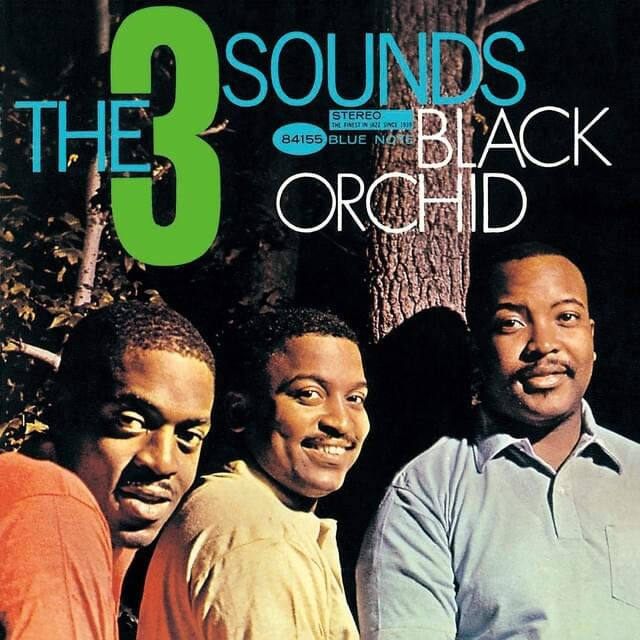
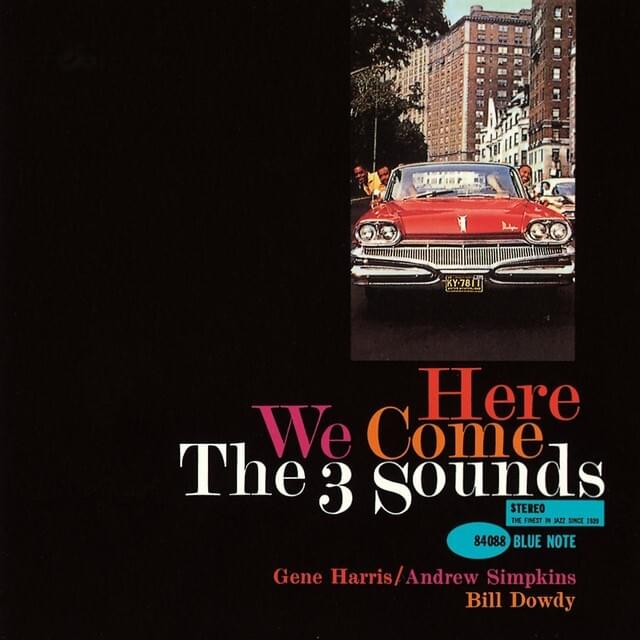
Gene Harris & The Three Sounds: The Soul Jazz OGs Still Hitting Different Introduction & Current Status In an era where vintage cool gets a glow-up every other TikTok trend, Gene Harris & The Three Sounds remain criminally underrated, yet undeniably essential. While they might not be dropping new tracks that instantly climb the Billboard 200, their legacy is experiencing a renaissance. Modern beatmakers and jazz enthusiasts are constantly digging through their crates, unearthing the smooth, soulful grooves that defined an era. This iconic trio, led by the piano wizardry of Gene Harris, crafted a sound so effortlessly cool, it still feels fresh. Their blend of hard bop sophistication with undeniable R&B swagger has made them main character energy for countless study playlists and chill-hop compilations. They’re not just a throwback; they're a timeless vibe, proving that true artistry never goes out of style. Their influence quietly permeates contemporary music, from hip-hop samples to the burgeoning lo-fi jazz scene. Gene Harris & The Three Sounds are the quiet legends whose records still slap, reminding us that sometimes, the most profound impact is felt not in the loudest moments, but in the deepest, most soulful grooves. Early Life & Background Before they were the Three Sounds, there was a young Eugene Harris in Benton Harbor, Michigan. Born in 1933, Gene’s journey into the heart of jazz began with the kind of raw, undeniable talent that just needed a piano. His early life was steeped in the sounds of gospel and blues, forming the bedrock of the soulful touch that would become his signature. His musical awakening wasn't confined to formal lessons; it was a blend of church hymns, radio tunes, and an innate understanding of rhythm and harmony. This diverse sonic diet gave Harris a unique advantage, allowing him to effortlessly fuse the academic precision of jazz with the raw, emotional punch of rhythm and blues. He wasn't just playing notes; he was telling stories. It was in Washington D.C. where the stars aligned. There, Gene met bassist Andy Simpkins and drummer Bill Dowdy. This trio of kindred spirits, initially performing as the 'Four Sounds' before becoming the more streamlined 'Three Sounds,' realized they shared a common vision: to create jazz that was both technically brilliant and emotionally accessible, cutting through the intellectualism to hit you right in the feels. Career Beginnings After honing their chops in the bustling club scene of Washington D.C., The Three Sounds decided it was time to take on the Big Apple. Moving to New York City in 1958 was a classic make-or-break moment, a pilgrimage for any serious jazz musician. They quickly caught the ear of legendary jazz label Blue Note Records, a move that would cement their place in history. Their debut for Blue Note, *Introducing The Three Sounds*, dropped in 1958, immediately setting the tone for their distinctive brand of soul jazz. It wasn't an instant chart-topper in the mainstream sense, but within the jazz world, it was a revelation. Critics and fellow musicians were hooked on their sophisticated yet undeniably funky sound. This early success wasn't without its grind. The jazz scene was fiercely competitive, but Gene Harris, Andy Simpkins, and Bill Dowdy possessed an undeniable chemistry. Their ability to communicate complex musical ideas with a seemingly effortless cool made them stand out, paving the way for a prolific and impactful run with Blue Note that would span over a decade. Major Albums & Discography The Three Sounds' discography is a treasure trove of soul jazz gems, primarily defined by their prolific output on Blue Note Records. Albums like 1959’s Good Deal showcased their knack for crafting intricate arrangements that still swung hard. It was clear they weren't just playing; they were conversing through their instruments. Their early Blue Note releases, including 1960’s Here We Come and Hey There, solidified their reputation for delivering accessible, yet deeply swinging jazz. They mastered the art of making sophisticated improvisation feel as natural as breathing, attracting a broader audience beyond traditional jazz purists. Each album built on the last, showcasing their evolving sound. As the 60s progressed, albums like Bottoms Up! and Vibrations proved their versatility, integrating more R&B and pop influences without losing their jazz core. Later works like Elegant Soul and Soul Symphony from the late 60s leaned further into a more contemporary, groove-oriented sound, reflecting the changing musical landscape while maintaining their signature elegance. Their live energy was captured perfectly on Live at the Lighthouse, a testament to their improvisational prowess and undeniable stage presence. Even post-Blue Note, albums like Standards and Out of This World continued to demonstrate Gene Harris's enduring brilliance, ensuring their discography remained essential listening for jazz aficionados. Hit Songs & Signature Tracks Gene Harris & The Three Sounds had a knack for taking familiar tunes and injecting them with their unique brand of soulful sophistication, turning them into signature tracks. Their rendition of “Cry Me a River” is a masterclass in emotional depth, transforming the classic into a mellow, late-night jazz lament that hits different every time. They weren't afraid to tackle pop and R&B hits, making them their own. Their take on “Let’s Go Get Stoned” is pure groovy gold, showcasing their ability to find the jazz heart in any genre. Similarly, their version of “Yeh Yeh” became an instant crowd-pleaser, brimming with infectious energy. Original compositions also shone brightly. Tracks like the laid-back cool of “Book of Slim” or the smooth, undeniable swagger of “Something You Got” are quintessential Three Sounds, exemplifying their blend of technical skill and deep-seated soul. These tracks often find new life sampled in hip-hop or featured in retro-cool playlists, proving their timeless appeal. Their interpretations of standards were equally iconic. The melancholic beauty of “It Was a Very Good Year” and the sultry allure of “Fever” are testaments to their ability to infuse familiar melodies with fresh perspective. Even lesser-known but equally captivating tracks like “The Frown,” “The Lamp Is Low,” and “Repeat After Me” showcase their consistent excellence, making every listen a discovery. Collaborations & Features While Gene Harris & The Three Sounds were primarily known for their tight-knit trio dynamic, their influence radiated outwards, touching many corners of the music world. As a unit, direct features were less common, as their strength lay in their self-contained chemistry and the distinctive sound they cultivated together. However, Gene Harris himself became a sought-after collaborator in his later solo career. Post-The Three Sounds, Gene Harris lent his incredible piano talents to a wide array of artists, solidifying his reputation as a jazz titan. His solo work and collaborations with figures like Ray Brown, Stanley Turrentine, and Ron Carter highlighted his versatility and continued ability to elevate any musical setting. These experiences allowed him to explore different facets of his artistry beyond the trio format. The trio's indirect collaborations, however, are vast. Their grooves and melodic sensibilities have been sampled by countless hip-hop producers, making their sound a foundational element for a new generation of music. This cross-genre impact showcases how their original recordings continue to inspire and feature in modern musical landscapes, even decades later. Their unique blend of jazz and R&B served as a blueprint for many artists attempting to bridge the gap between sophisticated improvisation and popular appeal. They didn't need a parade of guest features on their albums to make an impact; their sound itself was the collaboration, a perfect fusion of three exceptional musicians creating something truly special. Awards & Achievements Gene Harris & The Three Sounds might not have stacked up Grammy Awards like pop superstars, but their achievements are etched deeply into the fabric of jazz history. Their prolific output on Blue Note Records during the late 1950s and 1960s alone is a testament to their critical and commercial success within the jazz circuit, making them one of the label's most consistent and beloved acts. The trio consistently charted well on Billboard's jazz categories, demonstrating their widespread appeal among jazz enthusiasts. Their ability to deliver a commercially viable yet artistically rich product made them darlings of both critics and the public, proving that 'accessible' didn't have to mean 'simplistic.' Gene Harris himself received significant accolades throughout his career, particularly during his successful solo comeback in the 1990s. He earned multiple Grammy nominations for his solo recordings, cementing his status as a revered jazz pianist. These later achievements often drew renewed attention to the foundational work he did with The Three Sounds. Their real award, arguably, is their enduring legacy. They broke barriers by popularizing soul jazz, making it cool and approachable for a wider audience. Their music continues to be celebrated, studied, and sampled, a testament to their profound and lasting impact on jazz, R&B, and even hip-hop. That kind of influence is a trophy in itself. Personal Life Gene Harris, the driving force behind The Three Sounds, was known more for his quiet dedication to his craft than for any public fanfare. While the personal lives of jazz musicians from that era weren't often fodder for tabloid headlines, what was clear was Harris's unwavering commitment to music. After The Three Sounds eventually disbanded in the 1970s, Harris moved to Boise, Idaho, seemingly stepping away from the spotlight. However, the call of the keys was too strong to ignore. This period allowed him to reconnect with his roots and refine his sound, leading to a remarkable solo comeback in the late 1980s and 90s. His later career saw him engage in various educational initiatives, sharing his vast knowledge and passion for jazz with younger generations. While specific philanthropic ventures are not widely publicized, his commitment to nurturing new talent and keeping the flame of jazz alive speaks volumes about his character and generosity of spirit. Beyond the music, Harris was known for his warm demeanor and humble approach, traits that endeared him to both fellow musicians and fans. His life, much like his music, was characterized by an understated elegance and an authentic, deeply felt connection to his art. Musical Style & Influence Gene Harris & The Three Sounds virtually defined the soul jazz genre, creating a sound that was instantly recognizable and eternally groovy. Their style was a potent concoction of hard bop's intricate improvisations, the emotional depth of the blues, and the infectious rhythms of R&B. Gene Harris's piano work was the cornerstone, characterized by its soulful voicings, bluesy inflections, and an impeccable sense of swing that could make even the most stoic listener tap their foot. The trio's sonic characteristics were all about accessibility without sacrificing sophistication. They had this magical way of making complex jazz feel effortless, inviting listeners in with catchy melodies and deep pockets. Their interpretations of popular songs were legendary, demonstrating their ability to transform any tune into a Three Sounds classic, full of warmth and undeniable cool. Their influence is massive. They paved the way for countless soul jazz artists and fusion groups, demonstrating how jazz could evolve while staying true to its roots. Beyond jazz, their sound became a goldmine for hip-hop producers, who sampled their breaks and melodies, introducing The Three Sounds to a whole new generation. Artists from A Tribe Called Quest to J Dilla have dipped into their catalog, ensuring their grooves continue to resonate in contemporary music. They didn’t just play jazz; they made it vibe. Recent Work & What's Next While Gene Harris & The Three Sounds as an active touring and recording unit concluded decades ago, their legacy is anything but static. The group’s prolific catalog continues to be reissued and rediscovered, finding new audiences through streaming platforms and vinyl re-releases. This consistent availability keeps their smooth, soulful sound circulating, proving its enduring appeal. Gene Harris himself, after a significant solo career resurgence, passed away in 2000, leaving behind an immense body of work. However, the 'What's Next' for The Three Sounds isn't about new compositions, but about the continuing impact of their existing ones. Their tracks frequently pop up in film and television, providing that perfect vintage cool backdrop, and their samples still underpin modern beats. The future direction for Gene Harris & The Three Sounds is less about creation and more about celebration. Their music serves as a vibrant blueprint for contemporary jazz artists and a timeless source of inspiration for anyone seeking that perfect blend of sophistication and soul.

Popular Albums

Popular Songs

Reviews

Comments

Questions & Answers

Music Awards

0 Total

No Music Awards Found