Song Meaning
The lyrics paint a bleak picture of urban existence, where the narrator feels lost amidst a decaying environment and a populace that seems to have lost its humanity. The opening lines immediately establish a sense of aimless wandering through literal or metaphorical 'trash,' surrounded by 'zombies' who mirror the narrator's own state of being. This isn't just about a bad day; it's a pervasive feeling of being broken and disconnected.
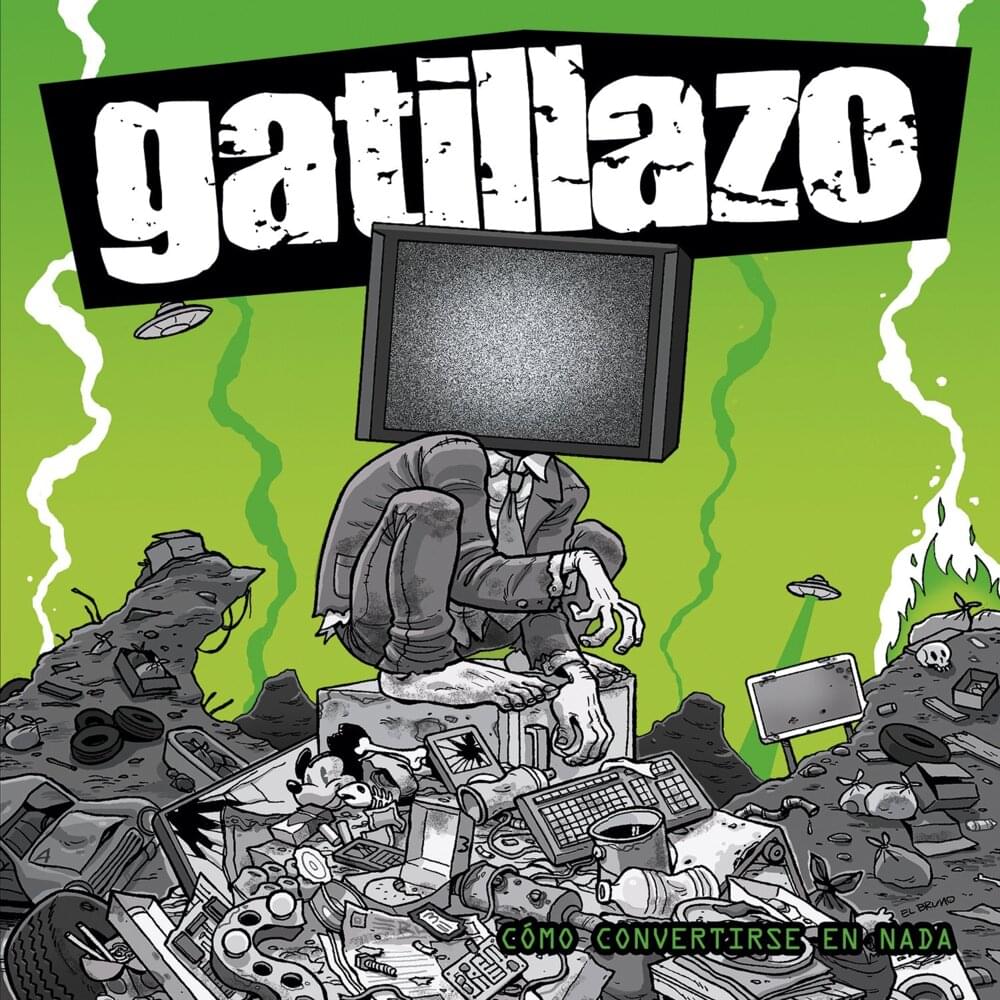
The core of the song's tension lies in the transformation from human to something less, a process described as 'learning how to become nothing.' The narrator and their peers are 'blinded by screens,' suggesting a detachment from reality facilitated by technology. They are 'camouflaged among the herd,' hiding their true selves or perhaps their lack of self beneath a veneer of normalcy, all while enduring oppressive figures described with a harsh epithet. This creates a palpable sense of resignation and suppressed anger.
The most striking aspect is the repeated refrain, 'We learn how to become nothing.' This isn't a passive state but an active, learned behavior, a survival mechanism in a hostile environment where 'the city eats its own people.' The lyrics suggest a society that breeds conformity and fear, leading individuals to 'castrate' themselves emotionally and 'self-deceive.' The repetition hammers home the cyclical and ingrained nature of this societal decay.
Ultimately, the effectiveness of these lyrics stems from their stark, unflinching portrayal of alienation and the quiet desperation of modern life. The imagery of zombies and being camouflaged, combined with the blunt assertion 'and that's how it is,' creates a powerful sense of shared, yet isolating, experience. It resonates because it articulates a feeling many might experience but struggle to express so directly.
 View Artist