Song Meaning
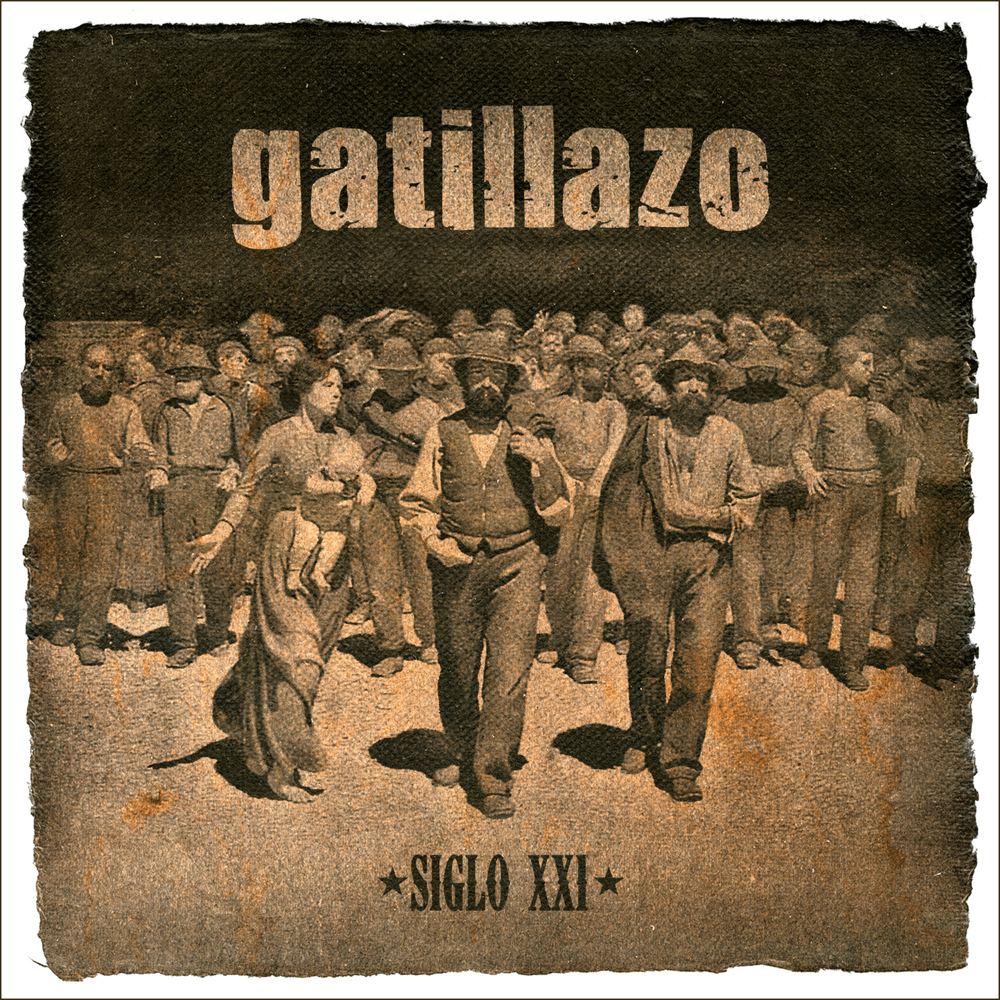
The lyrics paint a stark picture of modern-day servitude, beginning with the mundane grind of a "crappy job," a "small house," and a "crushed love" burdened by financial pressures. The narrator observes children learning in school, a seemingly hopeful image that contrasts sharply with the overarching theme of entrapment. This sets the stage for the central thesis: "The life of slaves in the 21st century."
The core tension lies in the cyclical nature of this modern slavery, driven by an "eternal crisis" and the pursuit of possessions that "don't interest us." The lyrics suggest a societal trap where individuals are caught in a cycle of debt and consumption, leading to a muted, "weakly protest" that is met with "forceful repression." This highlights a profound disconnect between desire and reality, and the suppression of any genuine dissent.
The most striking element is the direct, unvarnished comparison to slavery, stripping away any romanticism of modern life. The contrast between the different reactions to this state – some "drag ourselves along," others "dream of it," some "despair," and others "commit suicide" – reveals the varied, desperate attempts to escape this condition. The repeated phrase, "The life of slaves in the 21st century," acts as a relentless refrain, hammering home the bleakness of this existence.
This lyrical approach is effective because it confronts the listener with an uncomfortable truth, using simple, direct language to convey a complex societal critique. The raw portrayal of financial and emotional burdens, coupled with the stark metaphor of slavery, creates a powerful emotional resonance. It forces a re-evaluation of what freedom truly means in a world defined by economic constraints and societal expectations.
 View Artist