Song Meaning
The lyrics paint a stark picture of isolation and resignation. The narrator feels utterly depleted, describing their state as "run down" and akin to "dust." This isn't a dramatic end, but a slow, inevitable "fade away," a process made unbearable by the prospect of doing it "alone." The repeated emphasis on "only M.E" underscores a profound, self-imposed solitude.
The core tension lies in the contrast between past certainty and present desolation. The narrator recalls a time when "we were so sure," a collective confidence now revealed as a devastating mistake. The aftermath is a wasteland where "there's no one left to see" and "no one left to die," amplifying the personal void. This sense of finality, devoid of witnesses or even a worthy adversary, leaves only the solitary self.
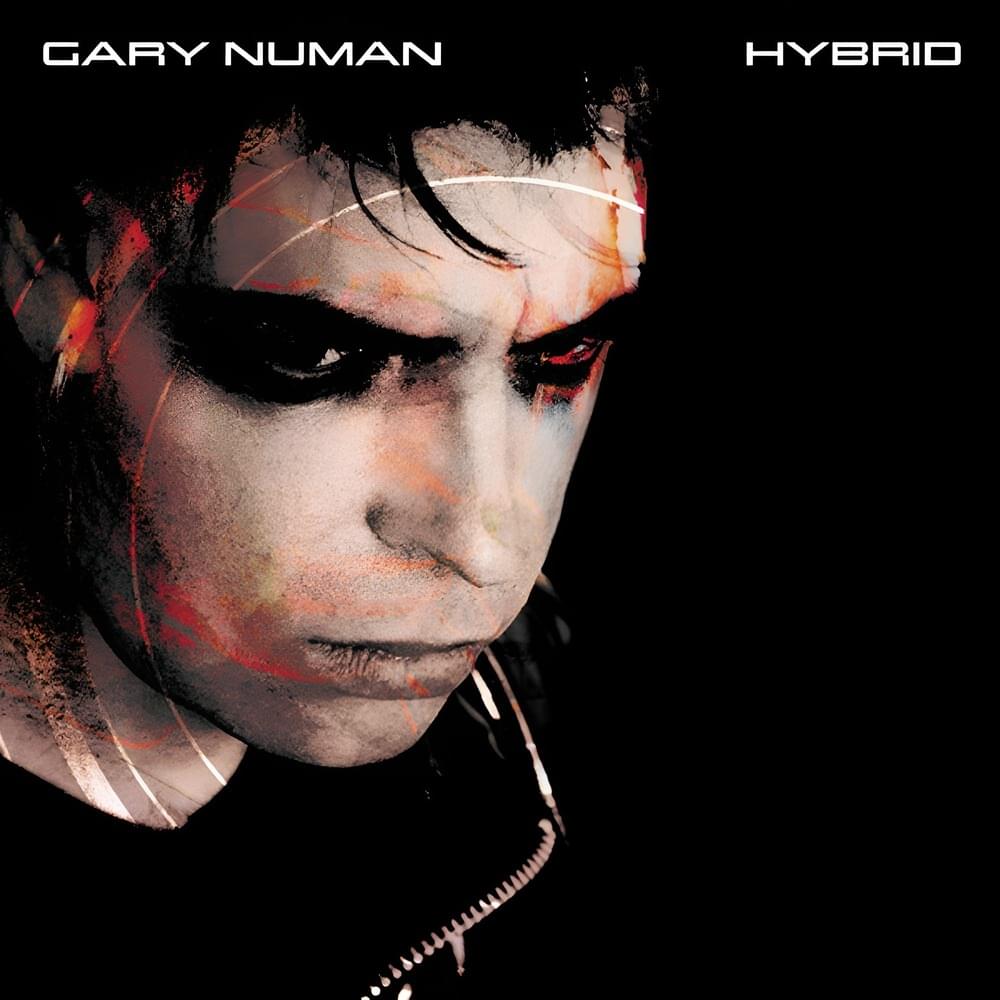
The most striking aspect is the narrator's active detachment. They "turned off the pain / Like I turned off you all," a chillingly deliberate act of severing connection. This isn't passive suffering; it's an active choice to extinguish external relationships and internal feeling, mirroring the technological coldness often associated with Numan's work. The phrase "only M.E" becomes a mantra of this self-imposed exile.
Ultimately, the power of these lyrics stems from their blunt portrayal of existential exhaustion. The absence of external validation or even shared experience strips away any pretense of meaning. The narrator's resignation, coupled with the deliberate shutdown of both external and internal life, creates a potent, bleak atmosphere of ultimate aloneness.
 View Artist