Song Meaning
The lyrics paint a stark, unsettling picture of a world where humanity seems to have been replaced or subjugated. We're dropped into a "park with the machmen," a place where machines engage in programmed violence, playing "kill by numbers." The atmosphere is one of detached observation, where horror is simply part of the landscape.
There's a deep undercurrent of trauma and identity confusion. The narrator recalls a past "car crash or was it the war," admitting they've "never been quite the same." This personal history is blurred, suggesting a fragmented memory or a deliberate obfuscation, perhaps even a "little white lies" to fit into this new, brutal reality. The casual mention of a "friend called five" further emphasizes the dehumanizing, numerical nature of relationships here.
The scene shifts to "Zom-Zom's the place to eat," a chillingly mundane name for a location where "humans trying to run" are observed, and a "rape machine" operates openly. The narrator's passive wish to avoid witnessing this – "I'd go outside if it'd look the other way" – highlights a disturbing blend of fear and apathetic acceptance. This juxtaposition of consumerism and casual atrocity creates a profoundly unsettling vision of a society where violence is normalized entertainment.
Ultimately, the lyrics culminate in a chilling declaration of purpose: "We are not lovers, we are not romantics / We are here to serve you." This collective voice, perhaps of the machmen or the traumatized survivors, reveals a cold, functional existence. The final line, "Different face but the words never change," suggests an unchanging, programmed reality, where individuality is lost, and a grim, violent purpose persists, echoing the "death, death, death" chant that fills the park until morning.
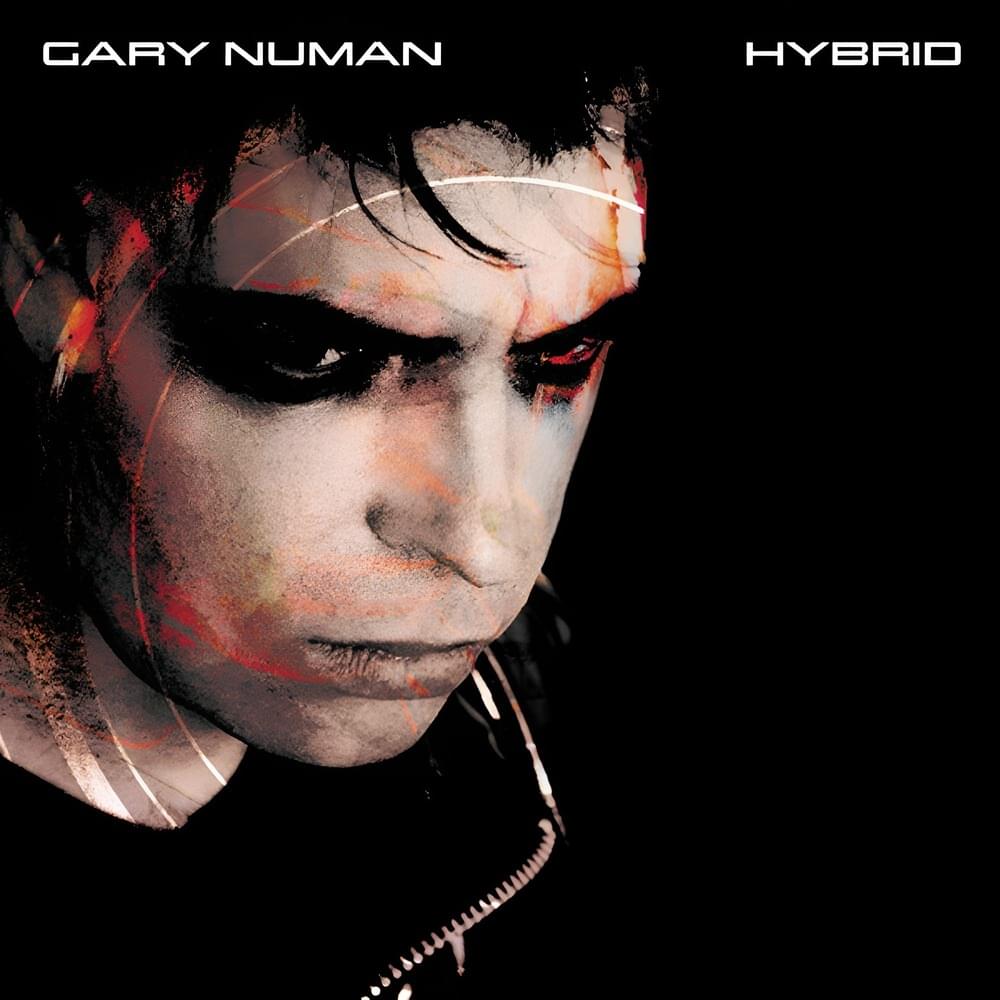
 View Artist