Song Meaning
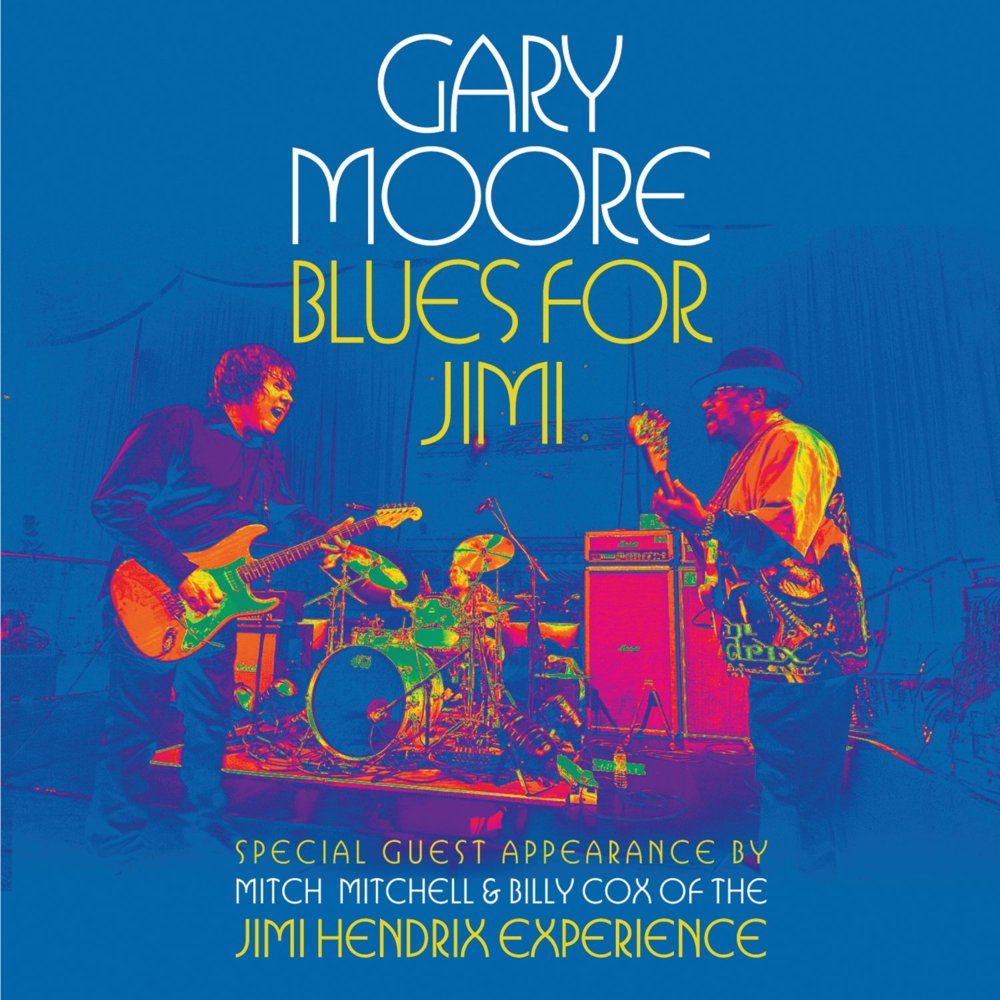
Gary Moore's interpretation of "The Wind Cries Mary" isn't just a cover; it's a séance. Originally penned by Jimi Hendrix, the song transcends a simple love lament, becoming a haunting exploration of loss and existential ache. Moore, with his signature blues-rock gravitas, amplifies the song's inherent sorrow, turning a psychedelic whisper into a raw, guttural cry. The opening imagery—"jacks in their boxes," "clowns gone to bed"—establishes a world of discarded joy, a sense of the party being definitively over. What remains isn't just silence, but a tangible absence. The "footprints dress in red" hint at something more sinister than mere melancholy, a suggestion of violence or profound emotional pain staining the memory.
The central metaphor of the wind is crucial. It's not just a natural phenomenon but a sentient force, a witness to human drama and ultimately, its indifferent observer. The wind "whispers," "cries," and "screams" Mary's name, each iteration marking a deepening of despair. The broken pieces of "yesterday's life" and the weeping queen point to a world fractured by loss, while the king without a wife emphasizes loneliness. Moore's guitar work, particularly in the extended solos, acts as a parallel to the wind's lament, bending notes into expressions of grief that words alone cannot capture. He transforms Hendrix's psychedelic blues into a more overtly sorrowful ballad.
The final verses delve into memory and oblivion. The traffic lights turning blue, shining "emptiness" suggest a world devoid of vitality. The wind's purported wisdom offers a chilling comfort: "No, this will be the last." Is it the last time Mary's name will be cried? The last experience of such profound loss? Or something even more final? Moore doesn't offer easy answers. Instead, he leaves us suspended in the wind's mournful cry, a stark reminder of the ephemerality of life and the enduring power of grief. His rendition underscores the song's timeless quality, cementing its place as an elegy for lost love and a meditation on the indifferent nature of existence.
 View Artist