Song Meaning
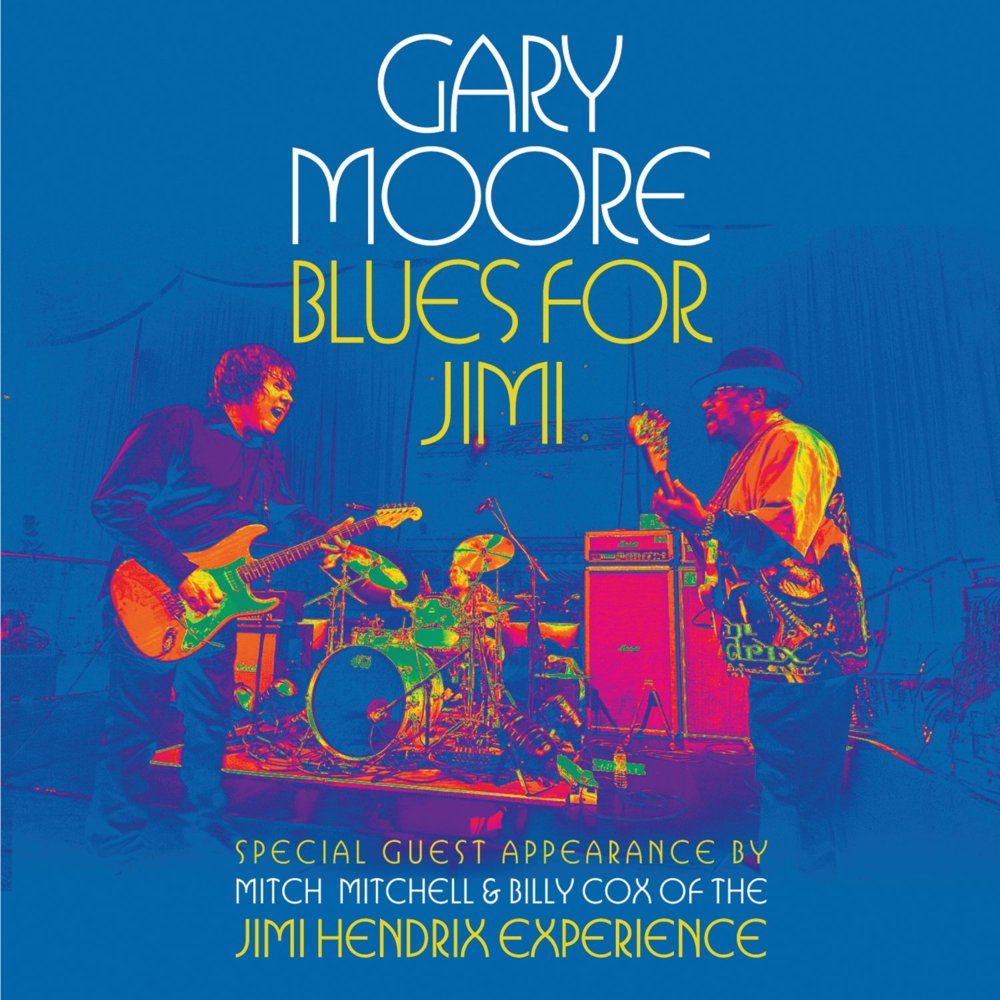
Gary Moore's interpretation of "Red House," a blues standard, isn't just a song; it's a primal scream of abandonment and wounded pride, distilled into a few verses and scorching guitar licks. The titular "Red House" isn't simply a dwelling; it's the locus of the singer's love and, by extension, his identity. The lyrics paint a stark picture: a man returning home after a long absence – "ninety nine and one half days" – only to find the door locked, both literally and figuratively. This locked door is more than just a barrier; it's a symbol of rejection, a gut-punch realization that the foundation of his emotional world has crumbled. The repetition emphasizes the disorientation and disbelief.
The genius of "Red House," especially as channeled through Moore's blues-rock sensibilities, lies in its raw emotional honesty. There's no elaborate poetry here, just a direct, almost childlike expression of hurt and confusion. The line, "I have a bad bad feeling, that my baby don't live here no more," is delivered with a vulnerability that cuts through the bravado inherent in the blues genre. He knows, deep down, that something is irrevocably broken. The guitar, then, becomes the voice of that unspoken pain, wailing and soaring in a way that words simply cannot capture.
But "Red House" isn't just about despair; it's about resilience, albeit a somewhat flawed and perhaps even darkly humorous kind. The final lines, "'Cause if my baby don't love me no more, I know her sister will!" offer a glimpse of a wounded ego attempting to reassert itself. It's a classic blues trope – finding solace in another's arms – but here, it feels less like a genuine solution and more like a desperate attempt to regain control. The song meaning ultimately rests in this complex interplay of heartbreak, anger, and the stubborn refusal to be completely defeated, all filtered through the cathartic fire of the blues. The "Red House" may be lost, but the music, and the memory of the love it held, remains.
 View Artist