Song Meaning
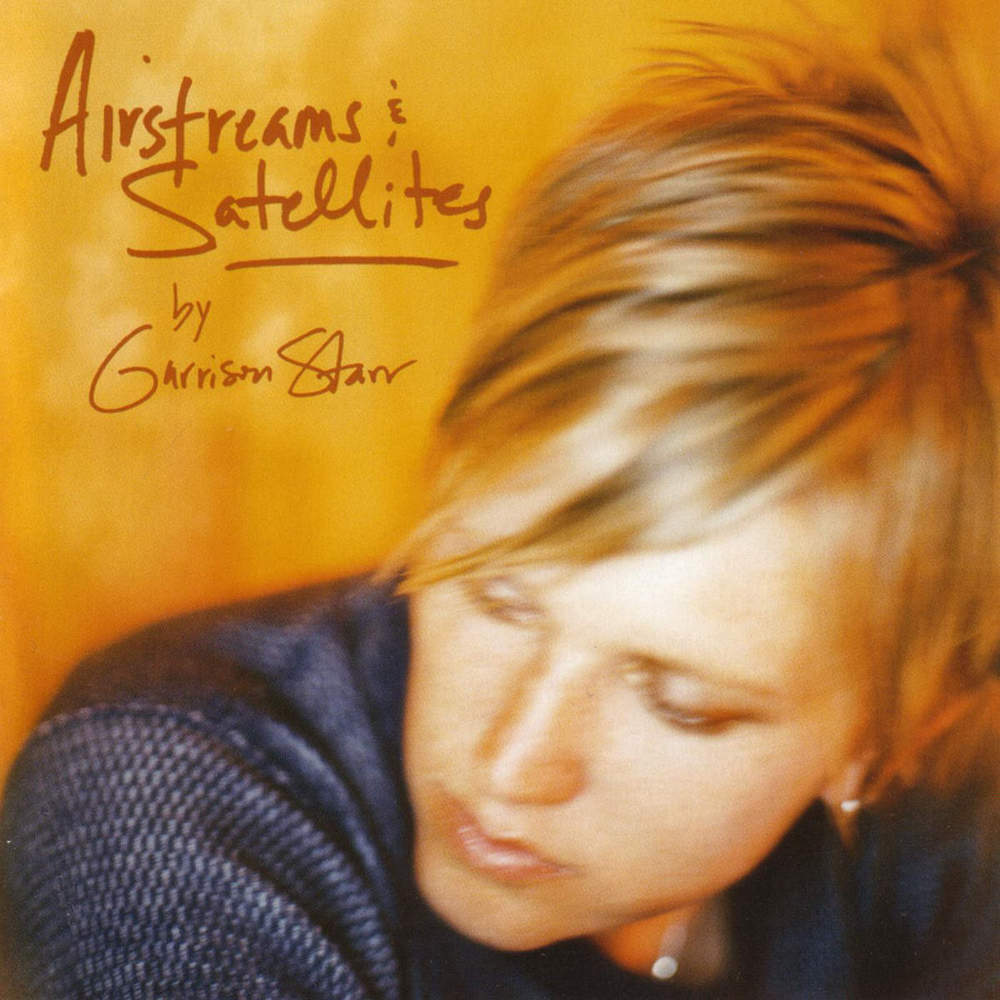
Garrison Starr's "Sing" isn't a blind burst of optimism; it's a declaration of resilience carved from the grit of disillusionment. The opening lines paint a stark picture: a world spiraling ("lost its head"), a spirit flagging, and metaphorical fires raging. It's a landscape familiar to anyone navigating the complexities of modern existence, a space where hope feels like a scarce commodity. The question the song subtly poses is not *if* things are bad, but *how* we respond to the bad. Starr's answer, repeated like a personal mantra, is a defiant act of creation: "today I will sing." That simple line becomes a radical act.
The core of "Sing" lies in its exploration of internal struggle. The lyrics acknowledge the near-impossibility of understanding suffering ("I can't wrap my mind/Around why it should have to be/So hard to live this life"). Faith, then, becomes not a shield against pain but a vehicle to carry the singer through it. The song recognizes the inherent tension between striving and futility. Starr sings of "chasing shadows," a pursuit that, while perhaps ultimately fruitless, is nonetheless a vital part of the human experience. It's in this reaching, this grappling with the void, that the "song keeps swelling up inside."
Ultimately, "Sing" confronts the fatigue of maintaining hope in a world that often seems determined to extinguish it. The lines "It's a drag sometimes/To offer up our best/To make the only light/In a world of darkness" are brutally honest. There's no sugarcoating the weariness, the sheer effort required to be a source of light. Yet, it’s in recognizing this struggle that the song finds its power. It frames this act of offering light as "our greatest test," implying that it is through this very struggle, this daily choice to "sing" despite the darkness, that we define ourselves. "Sing" is a song about choosing to create, to express, to *be* in the face of overwhelming negativity.
 View Artist