Song Meaning
The lyrics paint a picture of a narrator observing someone they once knew, now famous and seen on television. There's an immediate disconnect between the public image and personal memory, a feeling that the person on screen isn't the one the narrator remembers. This sets up a poignant, almost melancholic tone, tinged with a sense of distance and perhaps a touch of wistful longing. The narrator seems to be grappling with the transformation of this individual, wondering if the reality of fame matches the dreams they once shared or harbored.
The central tension lies in the contrast between the narrator's intimate past with the subject and the subject's current, inaccessible public life. The repeated question, "Is it what you remember?" and "Did you want to mean something back there?" suggests the narrator is trying to reconcile their memories with the perceived present. They acknowledge the subject's undeniable beauty and predict their success ("You're gonna make it after all"), yet there's an underlying current of doubt and concern, especially with the stark question, "Did they hurt you?"
The most striking element is the persistent, almost obsessive repetition of "You're so beautiful" and "You're gonna make it after all." This refrain acts as both an affirmation and a plea, a way for the narrator to hold onto a core truth about the person despite the changes and the perceived hardships. The phrase "after all" itself carries a weight of experience, implying that despite everything, the subject's inherent qualities will prevail, or perhaps that the narrator is trying to convince themselves of this outcome.
Ultimately, these lyrics resonate because they capture the complex emotions of witnessing someone's rise to prominence from a place of past intimacy. The narrator’s perspective is one of both admiration and concern, highlighting the bittersweet reality of seeing a loved one achieve their dreams while simultaneously feeling disconnected from their current life and questioning the personal cost. The writing effectively uses simple, direct language to convey a deep well of unspoken history and emotional complexity.
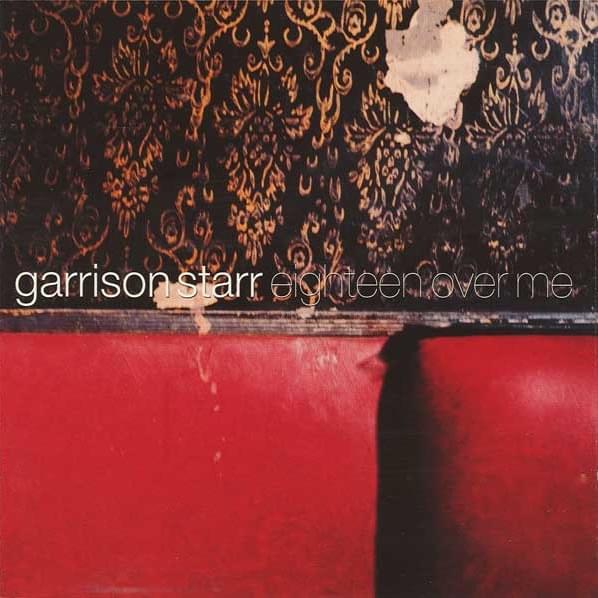
 View Artist