Song Meaning
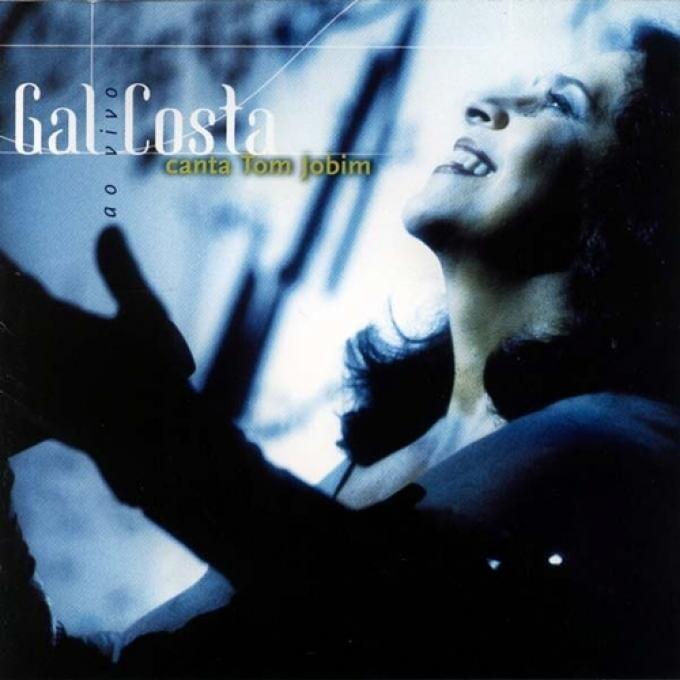
Gal Costa's "Piano na Mangueira" isn't just a song; it's an invitation, a cultural bridge built with melody and rhythm. The opening lines immediately ground us in Mangueira, the legendary samba school and favela in Rio de Janeiro. Costa isn't just singing *about* Mangueira; she's declaring her presence, stating, "Estou aqui na plataforma / Da estação primeira," as if stepping onto a stage, ready to embrace the vibrant energy of the place. There's a sense of anticipation, a feeling that something special is about to unfold. The lyrics evoke a powerful sense of place, painting a vivid picture of the favela's unique atmosphere.
The arrival of the "terno branco / E chapéu de palha" figure suggests a ritualistic element, perhaps a nod to the traditions and ceremonies deeply embedded in Mangueira's culture. It’s formal, respectful, and carries a weight of history. Then comes the central image: "Mandei subir o piano / Pra Mangueira." This isn't just about bringing music; it's about elevating the space, introducing a touch of elegance and sophistication to a place often associated with struggle. The piano, a symbol of European classical music, contrasts beautifully with the raw, visceral energy of the samba school. It is a deliberate juxtaposition, a meeting of worlds.
But Costa is careful to avoid pretension. "A minha música não é de levantar poeira / Mas pode entrar no barracão." She acknowledges that her music might not be the kind to incite wild dancing, but it's still welcome in the heart of the community. The barracão, the samba school's workshop, is where the magic happens, where costumes are sewn and dreams are built. The image of the "cabrocha" hanging her skirt at dawn adds a touch of sensuality and everyday life, grounding the song in the reality of Mangueira. Ultimately, "Piano na Mangueira" is a celebration of Mangueira's spirit, a fusion of tradition and innovation, and a testament to Gal Costa's ability to find beauty in unexpected places. It’s a love letter to a community, a song that understands the delicate balance between honoring the past and embracing the future.
 View Artist