Song Meaning
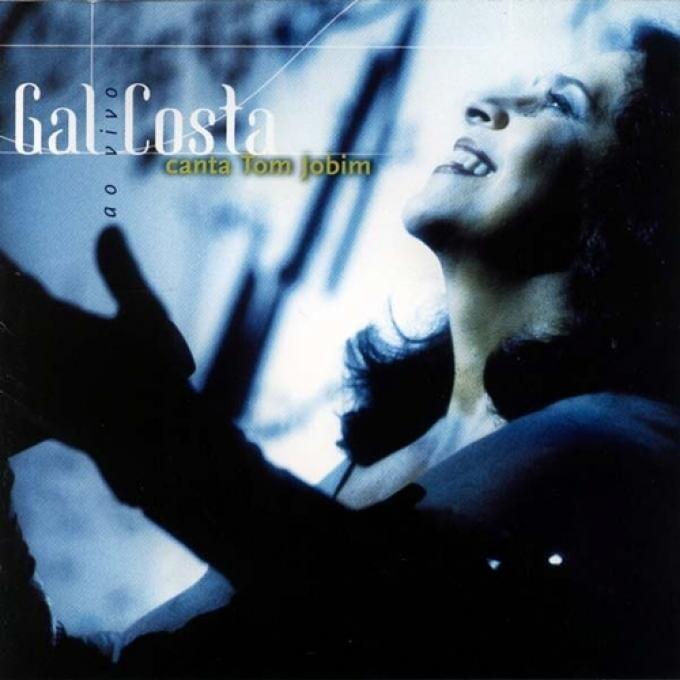
Gal Costa's "Frevo" is less a song and more an ecstatic invitation. It’s a beckoning gesture towards pure, unadulterated joy, set against the backdrop of Brazilian Carnaval. The insistent repetition of "Vem" (Come) acts as a hypnotic pulse, urging the listener to abandon themselves to the moment. This isn't passive listening; it's an active participation in a collective effervescence. Costa isn't just singing; she's summoning.
The lyrics paint a vivid synesthetic picture. The blare of clarions, the gleaming brass, the explosion of a thousand colors – sea green, azure sky – it's an overwhelming sensory experience designed to obliterate the mundane. The song meaning resides in this immediate, visceral impact. It bypasses intellectual analysis and aims straight for the heart, triggering a primal urge to move and celebrate. The reference to Carnaval is crucial; it's a time of sanctioned chaos, a temporary suspension of societal norms where collective joy reigns supreme.
The final line, "Ai, meu Deus/Que lindo o meu Brasil," is a potent expression of national pride and perhaps even a touch of longing. It's a recognition of Brazil's inherent beauty, amplified and intensified by the spirit of Carnaval. The song acts as a sonic embodiment of that beauty, a reminder of the collective identity forged in music, dance, and shared cultural experience. "Frevo" isn't just a song; it's a cultural touchstone, a vibrant expression of Brazilian identity, and a siren call to lose oneself in the collective euphoria of Carnaval.
 View Artist