Song Meaning
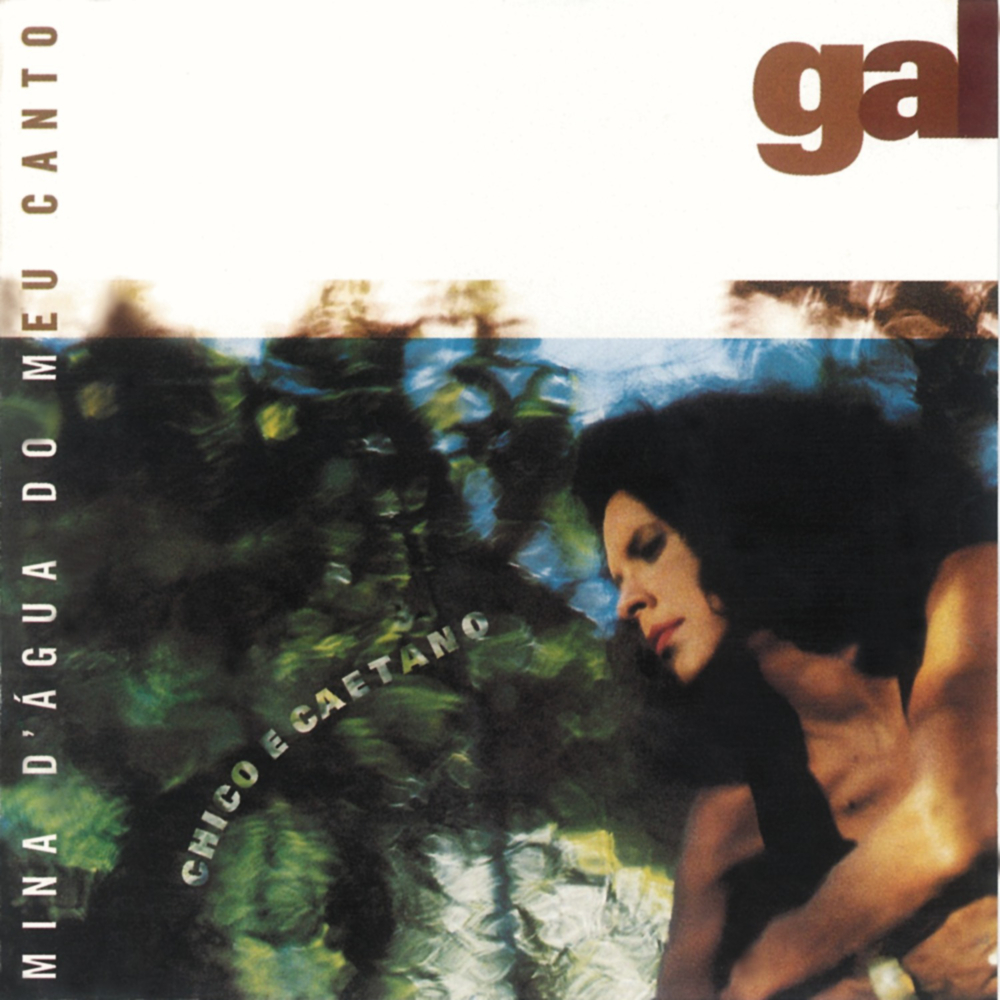
Gal Costa's "Milagres do Povo" is less a song and more a vibrant, polytheistic manifesto, a rhythmic assertion of faith born from resilience. The song's meaning spirals outward from the personal to the collective, beginning with the striking image of an atheist witnessing miracles. This isn't a contradiction, but an invitation to see the divine in unexpected places, specifically within the human spirit's capacity to endure. The lyrics suggest that faith, in its most potent form, transcends dogma; it's an intrinsic force that blossoms even in the absence of traditional belief systems. The "deuses sem deus" are the miracles themselves – the unwavering hope, the acts of resistance, the sheer will to survive. These miracles don't passively exist; they "brota" (sprout), actively pushing upwards against oppression. This mirrors a psychological concept of 'unconscious resilience', where individuals find the strength to cope with trauma without fully understanding the source of their inner fortitude.
The heart, described as "soberano" (sovereign), becomes a symbol of unyielding autonomy. It refuses to be confined by slavery, negativity, or even its own limitations. This heart overflows with affirmation ("tanto sim"), finding expression in dance, sexuality, and triumph. The mention of Yoruba deities like Xangô, Obatalá, Oxum, Iemanjá, and Iansã roots the song deeply within Afro-Brazilian religious traditions. These are not mere cultural references, but active participants in the narrative, guiding and lamenting, embodying both power and empathy. The recurring phrase "Ojú Obá ia lá e via" (Obá's eye went there and saw) implies a divine witness, a constant surveillance of both suffering and strength. This divine gaze offers not just observation, but a validation of the struggles and triumphs of the people.
"Milagres do Povo" doesn't shy away from acknowledging the brutal history of slavery. The lyrics directly confront the horrors faced by enslaved Africans, framing them as the true discoverers of Brazil, not through conquest, but through enduring unimaginable cruelty and still creating miracles of faith. This reframes the narrative of colonization, centering the experiences of the oppressed and highlighting their spiritual fortitude. The 'black people understood that the great victor rises beyond pain' suggests a powerful transformation of suffering into a testament of resilience, that is not just passive survival but a victory of the spirit. This is a collective psychological assertion that transforms the horrors of the past into a powerful source of collective self-esteem and resistance.
 View Artist