Song Meaning
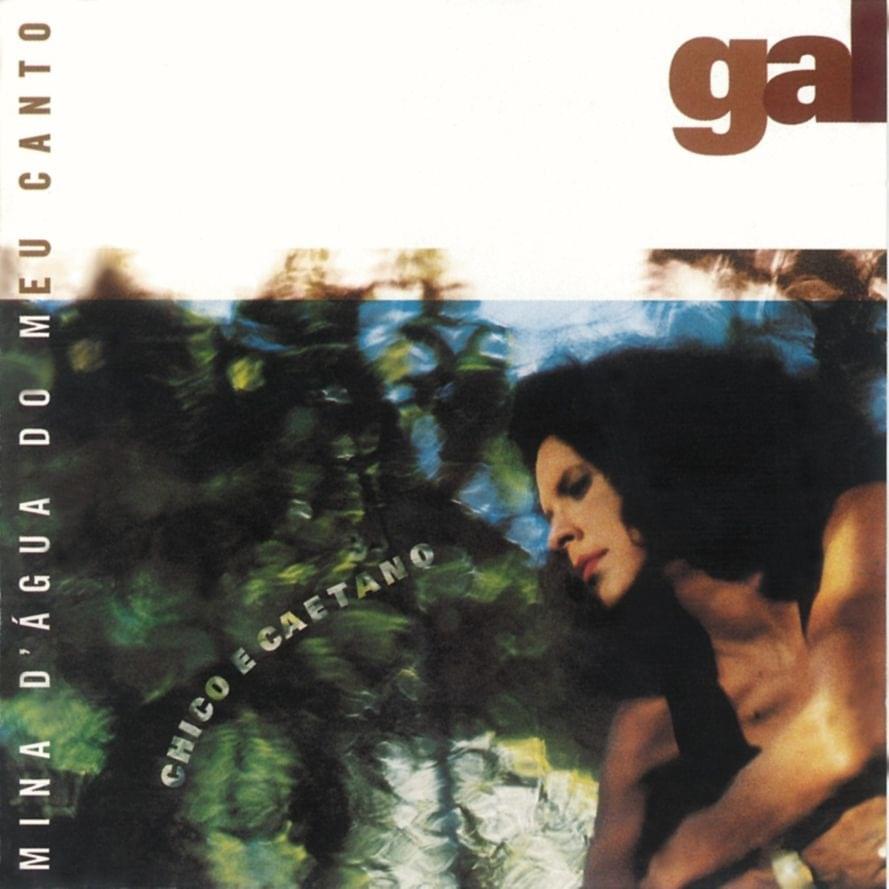
Gal Costa's "Futuros Amantes" isn't just a song; it's a poignant meditation on time, love's enduring nature, and the echoes we leave behind. The gentle bossa nova rhythm belies a profound lyrical exploration of love's patience, urging listeners to resist the modern impulse for instant gratification. The opening lines, "Não se afobe, não / Que nada é pra já" (Don't rush, nothing is for now), set the stage for a vision of love that transcends immediate fulfillment.
Costa projects a future where Rio de Janeiro is a submerged relic, explored by deep-sea divers. This isn't mere science fiction; it's a powerful metaphor for how time transforms everything, including our most cherished emotions. The divers sifting through the remnants of a past civilization, attempting to decipher "o eco de antigas palavras / Fragmentos de cartas, poemas" (the echo of old words / Fragments of letters, poems), speak to the enduring human desire to understand love's mysteries, even when separated by vast stretches of time. It suggests love letters and poems are the artifacts of the heart, and future generations will continue trying to understand them.
The song's genius lies in its cyclical nature. Despite the imagined cataclysm and the passage of millennia, the core message remains: "Amores serão sempre amáveis / Futuros amantes, quiçá / Se amarão sem saber / Com o amor que eu um dia / Deixei pra você" (Loves will always be kind / Future lovers, perhaps / Will love each other without knowing / With the love that I one day / Left for you). The 'futuros amantes' (future lovers) will unknowingly carry the torch of past affections, suggesting a continuity of feeling that defies temporal boundaries. The song's essence suggests that love, in its purest form, is a legacy passed down through generations, an invisible thread connecting us to those who came before and those yet to come.
 View Artist