Song Meaning
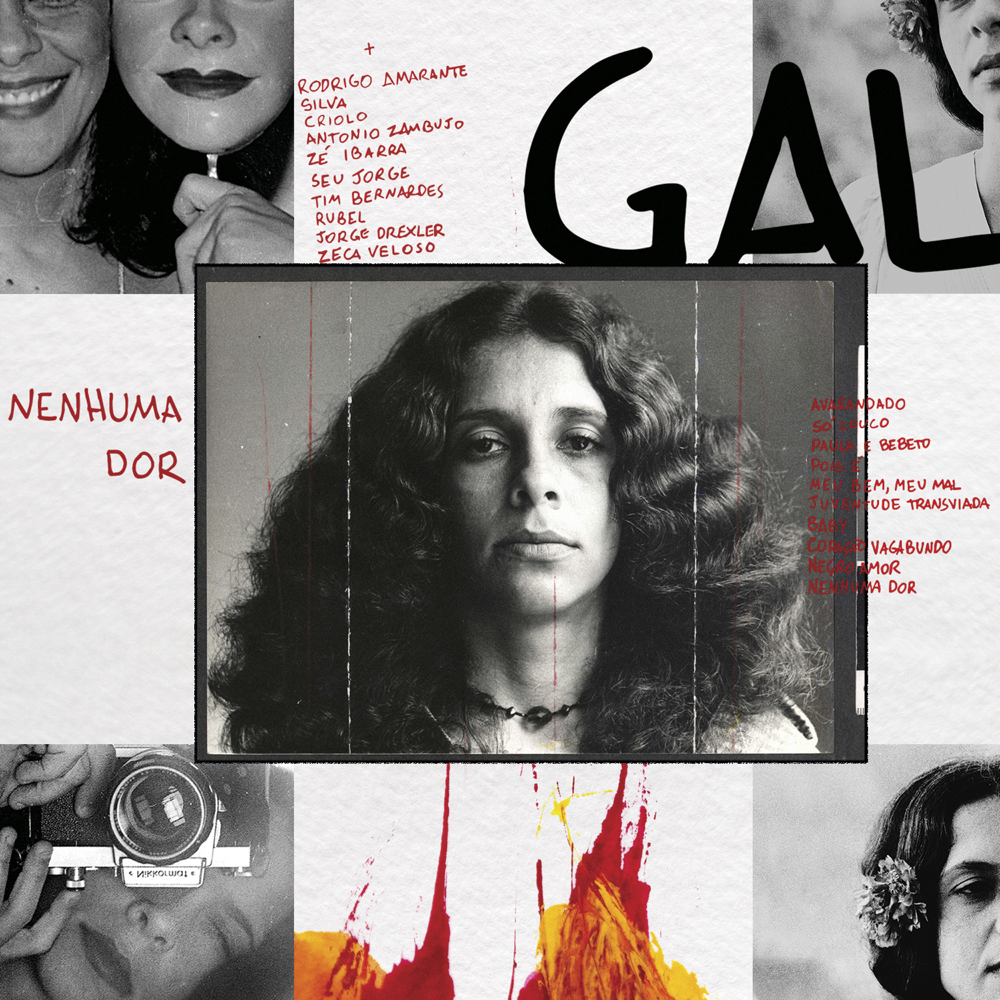
Gal Costa's "Meu Bem, Meu Mal," featuring Zé Ibarra, isn't just a love song; it's an intimate cartography of dependency. The lyrics, sung in Portuguese, paint a portrait of a relationship that transcends simple affection, morphing into something all-encompassing, addictive, and ultimately, ambivalent. The song's core is the paradox of the beloved as both a source of solace and a source of suffering—the 'bem' (good) inextricably linked with the 'mal' (evil). It's a codependent dance set to a Brazilian rhythm.
The opening verses establish this duality immediately. The lover is "meu caminho" (my path), "meu vinho, meu vício" (my wine, my vice), suggesting an intoxicating influence that guides the singer's life. But this guidance isn't purely benevolent; it's also a compulsion, a 'vício.' References to "meu bálsamo benigno" (my benign balm) and "porto seguro onde eu voltei" (safe harbor where I returned) highlight the comforting, healing aspects of the relationship. Yet, these are juxtaposed with phrases like "meu medo e meu champagne" (my fear and my champagne), hinting at a volatile mix of anxiety and euphoria. This is no placid love; it's a high-stakes emotional gamble.
The most striking lines come with "Onde o que eu sou se afoga" (Where what I am drowns) and "Você é minha droga" (You are my drug). These aren't casual metaphors; they're stark admissions of self-annihilation within the relationship. The singer's identity is consumed, submerged in the overwhelming presence of the other. The repeated mantra, "Meu zen, meu bem, meu mal," becomes less an affirmation of balance and more a desperate acknowledgment of the inescapable entanglement. Is it possible to find peace (Zen) within something that is simultaneously good and evil? The song doesn't offer an easy answer, instead choosing to reside in the complex, often painful, reality of human connection. The lyrics analysis suggests that the song is a mature reflection on the nature of love, addiction, and the blurred lines between pleasure and pain.