Song Meaning
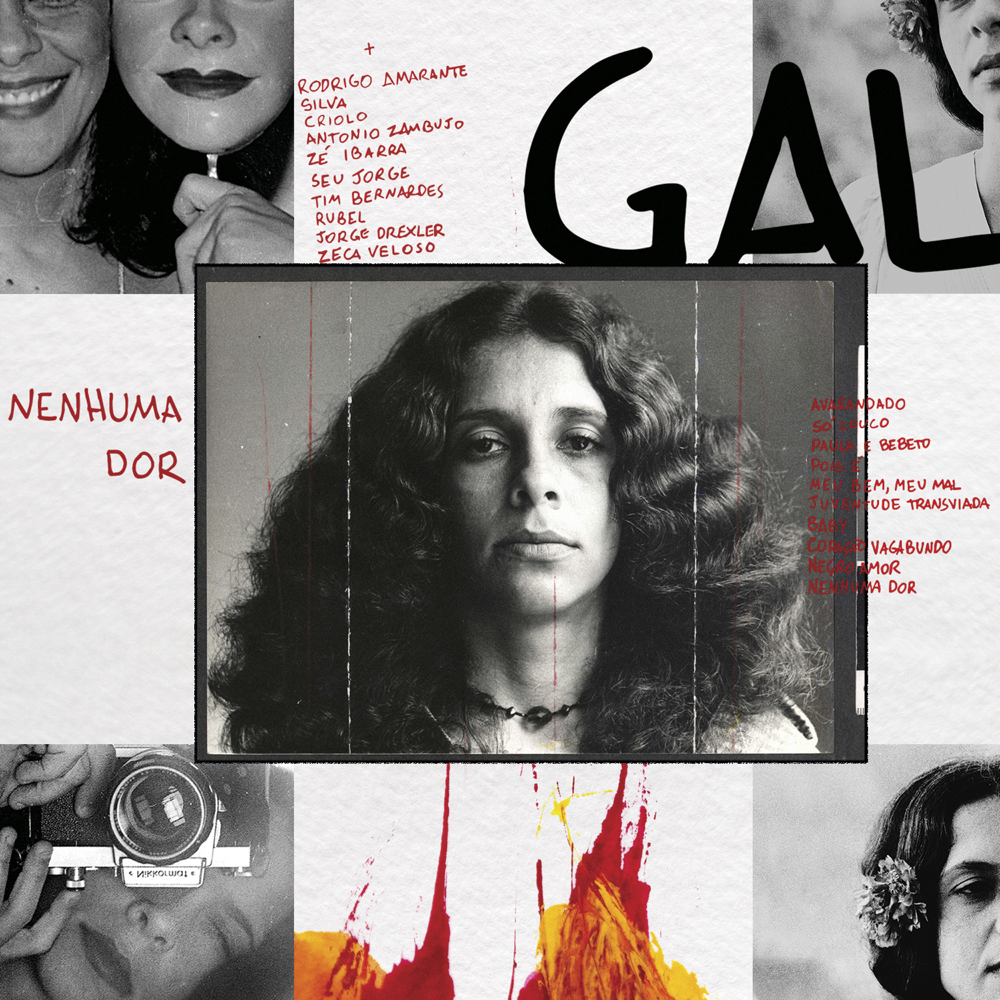
Gal Costa's "Coração Vagabundo" isn't just a song; it's a masterclass in saudade, that uniquely Brazilian flavor of longing that permeates so much of the nation's art. The direct translation, "Vagabond Heart," hints at the core of the song's emotional landscape: a restless spirit yearning for something just beyond its grasp. But the genius lies in how Costa layers that central image with childlike innocence and a sense of profound, almost existential, hope. It's not just any heart that's wandering; it's a "coração de criança," a child's heart, still clinging to the possibility of fulfilling its desires.
The lyrics paint a picture of a heart perpetually seeking, never quite satisfied. There's a sense of past loss, alluded to in the lines about a fleeting female figure who departed without a goodbye, leaving behind a wellspring of tears. This figure isn't necessarily a literal lover; she could represent an ideal, a dream, or a lost sense of self. The impact, however, is undeniable: a profound sense of abandonment that fuels the heart's vagabond nature. This is not merely romantic pining; it’s a deeper ache, a primal yearning for wholeness.
But what elevates "Coração Vagabundo" beyond simple melancholy is the resilience woven into its fabric. The heart, despite its wounds and restlessness, refuses to relinquish hope. It actively seeks to "guardar o mundo em mim" – to hold the entire world within itself. This isn't a passive acceptance of sadness; it's an active embrace of experience, both joyful and painful. The vagabond heart isn't simply lost; it's on a quest, a journey fueled by the enduring belief that one day, it will find what it seeks, even if that "what" remains elusive and undefined.
 View Artist