Song Meaning
Gal Costa’s "Felicidade (Felicidade foi embora)" isn't just a song; it's a melancholic exile's lament, a wistful yearning for a happiness that has evaporated. The opening line, bluntly stating that 'happiness has gone away,' establishes a tone of irreparable loss that permeates the entire piece. It's the kind of statement that resonates with anyone who's experienced the slow, creeping realization that a cherished period of their life is definitively over. The saudade, that uniquely Portuguese-Brazilian flavor of longing, takes up residence in the singer's chest, a constant reminder of what's been lost. This feeling isn't merely sadness; it's a complex blend of nostalgia, grief, and a profound sense of absence. Costa isn't just singing about being sad; she's embodying the very essence of saudade. The lyrics analysis quickly reveals that the external world offers solace, a counterpoint to the internal ache.
The escape from this internal sorrow comes through a retreat to a mental haven, a space 'behind the world.' This isn't a physical place, but a psychological one, accessible through the act of singing. Music, in this context, becomes a refuge, a portal to a realm where the pain of reality is muted. The lyrics hint that, while 'thought seems a trivial thing,' it is the very engine of transcendence. To think, for Costa, is to fly—to rise above the weight of her sorrow and momentarily escape the grip of saudade. This highlights a powerful connection between internal reflection and emotional liberation.
Ultimately, "Felicidade (Felicidade foi embora)" is a poignant exploration of loss, memory, and the transformative power of art. It's a song about finding sanctuary within oneself when the external world offers no comfort. Gal Costa, through her evocative performance and the song's simple yet profound lyrics, taps into a universal human experience: the search for solace in the face of irreversible change and the enduring power of the imagination to transport us beyond our immediate reality. It’s a testament to the enduring human spirit and its capacity to find beauty and meaning even in the depths of sadness. The song meaning becomes a poignant reminder that even in the absence of happiness, the capacity for inner flight remains.
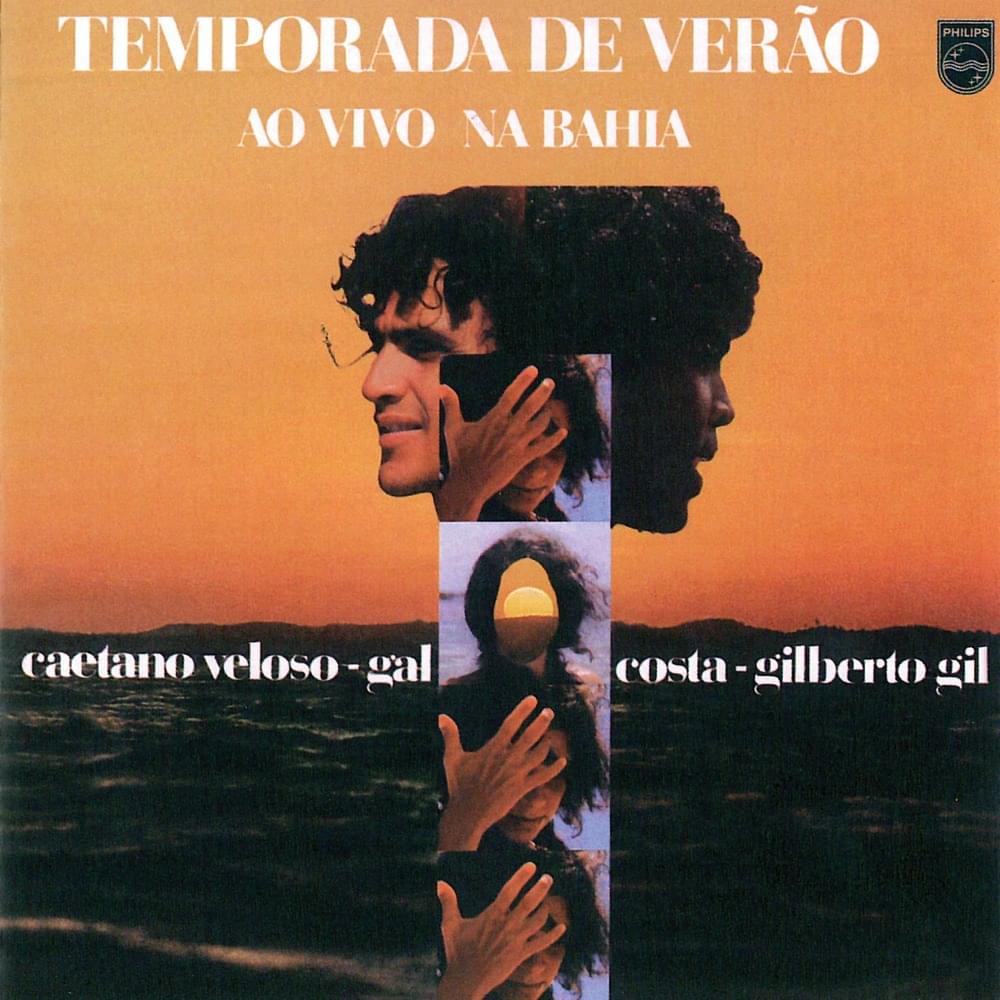
 View Artist