Song Meaning
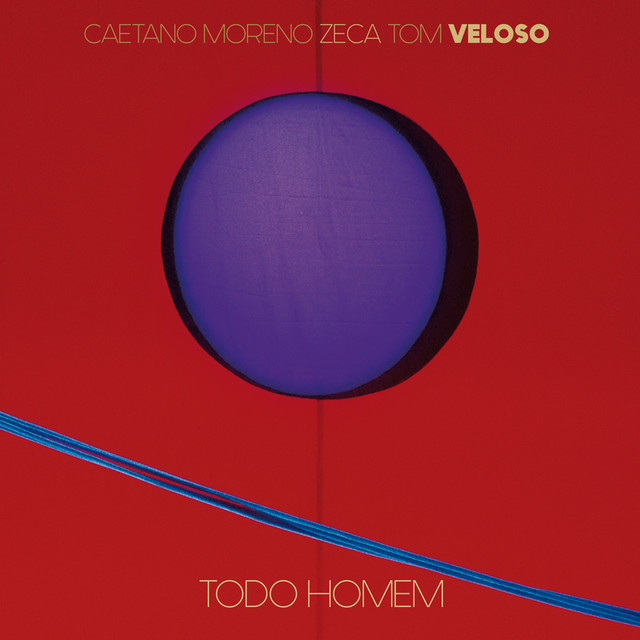
Caetano Veloso's "Todo Homem," featuring his sons Zeca, Moreno, and Tom, isn't merely a sentimental ode to motherhood; it's a primal scream echoing the fundamental human need for maternal connection. The song, sung in Portuguese, bypasses complex narratives and drills down to a core truth: every man, regardless of age or accomplishment, carries within him the indelible mark of his mother. The lyrics paint a vibrant yet incomplete picture. Images of sun, sea, and color mingle with a restless spirit, a sense of never being satisfied. This inherent longing, this "cordão umbilical" (umbilical cord) that never quite severs, suggests a profound incompleteness without the grounding force of a mother's love. The repeated line, "Pra mim nunca tá bom" ("For me, it's never good enough"), hints at an insatiable desire for a comfort and acceptance only a mother can provide. This isn't about literal dependency; it's about the foundational security that shapes a man's ability to navigate the world.
The verses are filled with contrasting imagery – the burning sun and the gentle embrace of the sky, the roughness of hair and the sweetness of honey. These oppositions highlight the complex, often contradictory nature of human existence, all traced back to the initial, formative relationship with the mother. The lyrics also weave in elements of nature – "espuma de maçã" (apple foam), "prata, o ouro e a rã" (silver, gold and the frog) – creating a sense of earthly connection and grounding, further emphasizing the mother as the anchor to reality. The reference to "barriga, dois irmãos" (belly, two brothers) adds another layer, suggesting the shared experience of brotherhood, born from the same maternal source.
Ultimately, the song's power lies in its simplicity and directness. The refrain, "Todo homem precisa de uma mãe" ("Every man needs a mother"), isn't presented as a plea or a lament, but as an irrefutable statement of fact. Veloso and his sons aren't just singing about their own mothers; they're tapping into a universal truth about the male psyche. It's a recognition that even in adulthood, the need for maternal validation and unconditional love remains a powerful, often unconscious, driving force. This "Todo Homem" lyrics analysis reveals a profound understanding of the human condition, framed through the lens of the mother-son relationship. It speaks to the vulnerability inherent in every man, masked or not, and the enduring power of the maternal bond.