Song Meaning
The lyrics for "Va bbuono" open with a deceptively simple affirmation of natural beauty – the moon, the sea, the stars, the sun – each declared "Va' bbuono," or "it's good." Yet, this immediate sense of contentment is quickly shattered by a profound, recurring question. The speaker appears to grapple with the very purpose of existence when love is absent. It's a stark, almost melancholic contemplation.
This tension builds through a striking contrast: the inherent goodness of the world versus its perceived futility without emotional connection. The narrator asks, "'O mare che se muove a ffa'?" (what's the point of the sea moving?) or what purpose the sun serves if "nun ce sta' l'ammore" (there's no love). These are not just rhetorical questions; they suggest that even the grandest natural phenomena lose their significance when stripped of this fundamental human experience.
The lyrical structure masterfully employs repetition and escalation. Each natural element is first affirmed, then immediately questioned. This pattern culminates in a powerful shift, moving from external wonders to internal human experiences like "Amici / Dinare" (friends, money), which are dismissed as "perdute / Trovate e lassate" (lost, found and left). This transient nature of material and social connections further underscores the singular, irreplaceable value placed on "l'ammore."
The true punch arrives when the "Core, core" (heart) is brought into the same framework as the moon and sea. The final lines merge the internal and external, asking what purpose "'Stu' core / 'Sta' luna / 'Stu' mare" (this heart, this moon, this sea) serve without love. This fusion makes the lyrics incredibly effective, transforming a simple observation into a poignant declaration: love isn't just a feeling, but the essential animating force that gives meaning to everything, from the cosmic to the deeply personal.
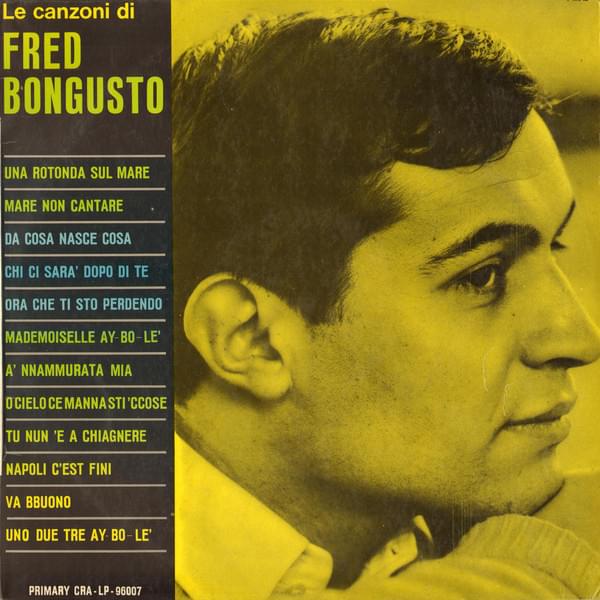
 View Artist