Song Meaning
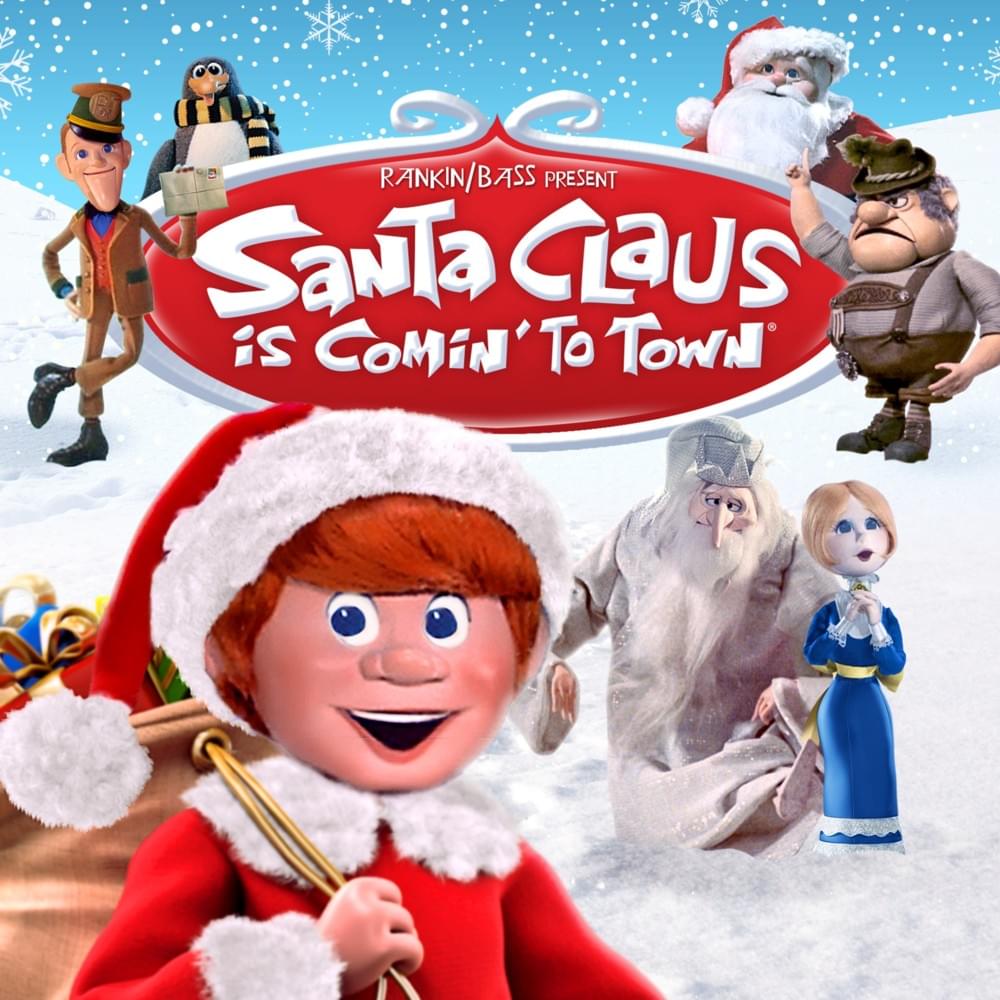
This classic holiday tune paints a picture of an all-seeing, all-knowing Santa Claus, whose imminent arrival dictates behavior. The lyrics establish a clear directive: "You better watch out you better not cry." This isn't just a friendly warning; it's a command, setting up a dynamic of surveillance and judgment that underpins the entire festive season. The immediate emotional texture is one of playful but firm admonishment, a call to immediate behavioral correction in anticipation of a powerful figure.
The central tension lies in the contrast between the joyous anticipation of gifts and the underlying threat of "naughty" status. Santa "sees you when you're sleeping" and "knows when you're awake," creating an omniscient presence that leaves no room for misbehavior. This constant observation fuels the core message: "So be good for goodness sake," a plea that’s as much about avoiding punishment as it is about earning rewards.
The lyrics masterfully employ repetition to reinforce Santa's omnipresence and the inevitability of his visit. The repeated phrase "Santa Claus is coming to town" acts as a rhythmic drumbeat, building anticipation and underscoring the urgency of the "watch out" directive. The specific imagery of "little tin horns and little toy drums" and "curly haired dolls that cuddle and coo" vividly conjures the desired outcome of good behavior—a "Toyland town" built around the Christmas tree, a tangible reward for compliance.
Ultimately, the effectiveness of these lyrics stems from their simple, direct articulation of a universally understood childhood dynamic: the benevolent authority figure who rewards good deeds and punishes bad ones. The blend of playful sound effects like "Rudy toot-toots and rummy tum-tums" with the stark pronouncements of Santa's knowledge creates a unique, memorable, and undeniably catchy message that has resonated for generations.
 View Artist