Song Meaning
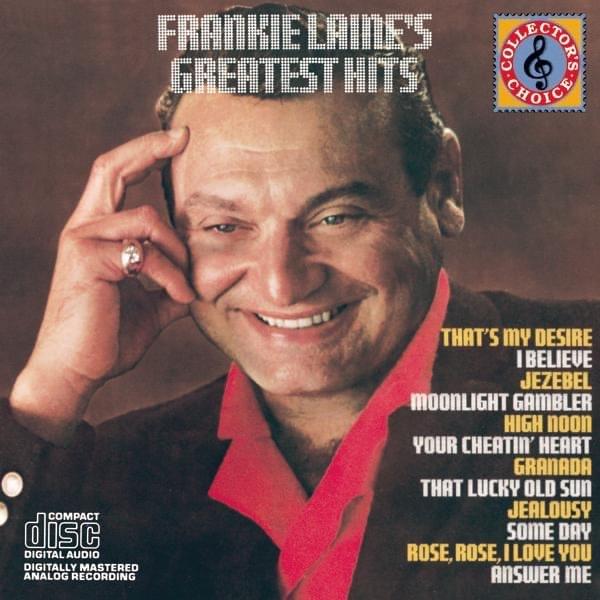
Frankie Laine's "Some Day" isn't just a lament; it's a slow-burn prophecy of heartbreak delivered with the simmering intensity of a scorned lover. The song meaning hinges on the age-old principle of karma, a patiently vengeful promise that the current joy of the departed sweetheart is fleeting, a deceptive calm before an inevitable storm of regret. The opening lines, "Someday sweetheart, you are gonna be so sorry, dear / For what you've done to my poor old heart," immediately set the stage for a future reckoning, a psychological projection of pain onto the object of affection now turned antagonist.
Laine masterfully uses the simple, repetitive structure of the lyrics to amplify the sense of impending doom. The repetition of "someday, sweetheart" acts as a hypnotic suggestion, embedding itself in the listener's mind, much like the obsessive thoughts of the spurned narrator. The contrast between the sweetheart's current happiness and the singer's present suffering is sharply drawn, highlighting the perceived injustice of the situation. The line "'Course you're happy now so you can't see how / How the weary blues can come to you" drips with a mixture of bitterness and a twisted sense of satisfaction, as if the narrator is already anticipating, even relishing, the future pain of his former lover.
The lyrical core of "Some Day" lies in the biblical warning, "as you sow, so shall you reap." This isn't merely a threat; it's a statement of universal law, a belief that actions inevitably have consequences. The shift from "my dear" to "honey child" in the final verse adds a layer of condescension, suggesting the sweetheart's naivete and blindness to the future consequences of her actions. Ultimately, Frankie Laine's "Some Day" is a chilling exploration of heartbreak, revenge, and the enduring human belief in karmic justice.
 View Artist