Song Meaning
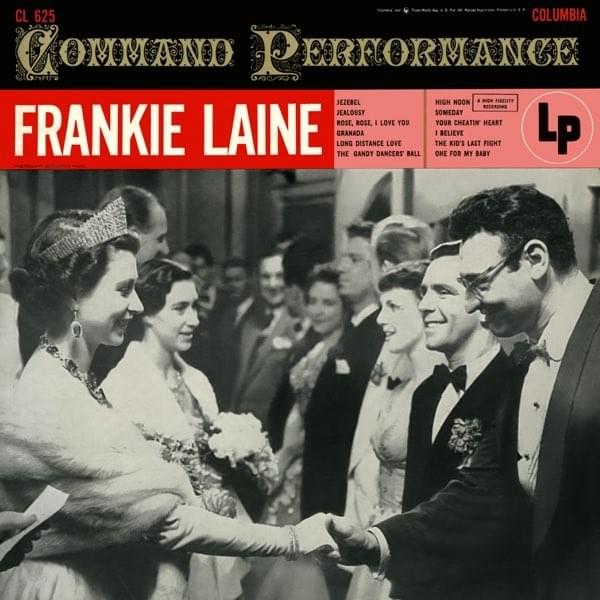
{"song_id": 15467011, "meaning": "Frankie Laine's \"Jezebel\" isn't just a song; it's a primal scream of betrayal, coated in the slick, operatic melodrama of the early 1950s. The song meaning hinges on the biblical figure of Jezebel, recast here as the ultimate femme fatale. Laine doesn't just dislike this woman; he paints her as a literal agent of hell, stripping her of any human complexity and turning her into a symbol of pure, destructive feminine power. The opening lines are a blunt instrument: \"If ever the devil was born, without a pair of horns, It was you, Jezebel it was you.\" This isn't subtle; it's an accusation hurled with maximum force. The psychological undercurrent here is fascinating. The narrator's obsession borders on pathological. He’s not just heartbroken; he's convinced he's been targeted by a demonic force, embodied in a woman.
The lyrics drip with self-pity and a sense of victimhood. He laments forsaking dreams for her \"siren call,\" portraying himself as helpless against her allure. \"Like a demon, love possessed me / You, obsessed me constantly\" suggests a complete loss of control, a surrender to base desires orchestrated by Jezebel's wicked machinations. It’s the classic trope of blaming the woman for the man's own failings. He's unable to take responsibility for his choices, instead projecting all the blame onto this idealized, demonized figure. The repetition of \"Jezebel, it was you\" in the pre-chorus and chorus amplifies the obsessive quality, hammering home the idea that she is the sole source of his pain.
Ultimately, \"Jezebel\" is a fascinating artifact of its time, reflecting anxieties about female power and the dangers of unchecked desire. While the lyrics might seem simplistic on the surface, the song taps into deep-seated fears about betrayal, manipulation, and the destructive potential of romantic obsession. It's a cautionary tale, albeit one told from a decidedly biased and self-serving perspective, casting the woman as an irredeemable monster and absolving the man of any personal accountability."}
 View Artist