Song Meaning
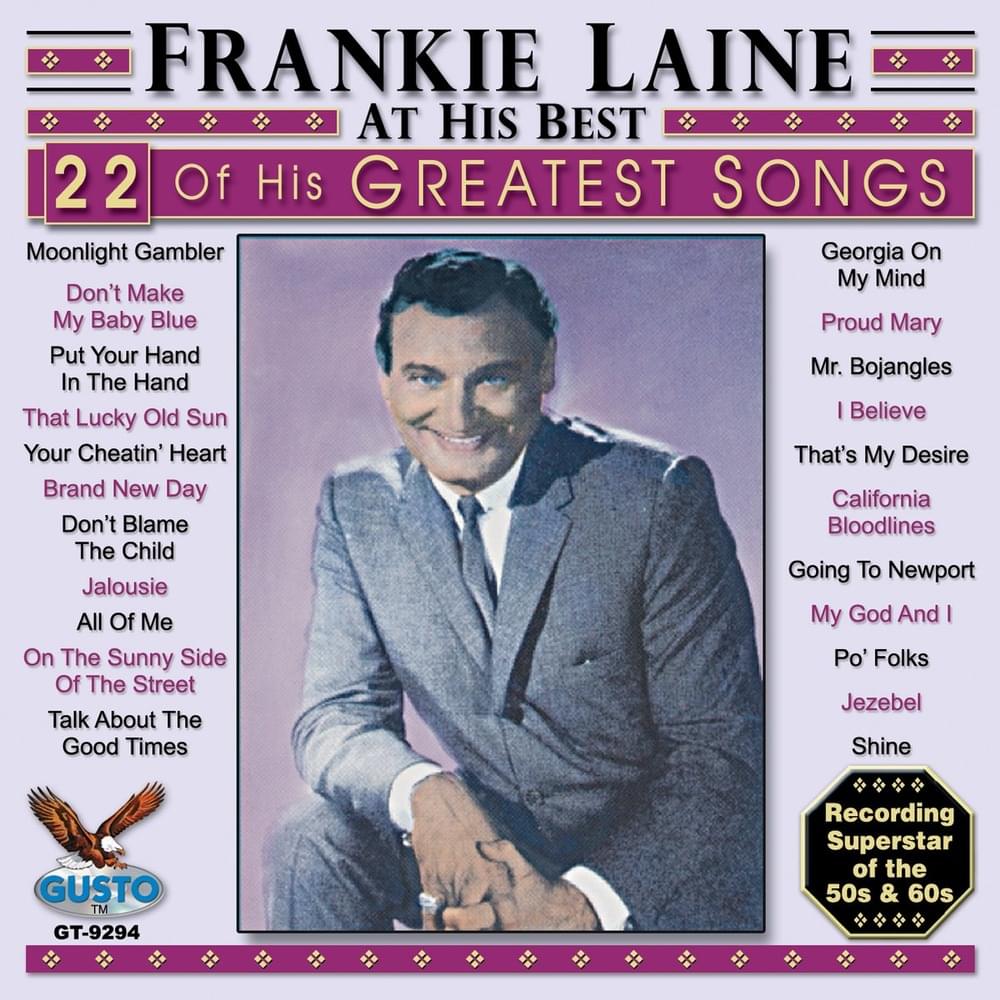
Frankie Laine's "Moonlight Gambler" isn't about cards or dice; it's a stark ballad of romantic risk. The song’s central metaphor—love as a high-stakes game—resonates with anyone who's laid their heart on the line. Laine's protagonist isn't chasing material wealth; he's addicted to the thrill, and the potential devastation, of pursuing love, even after repeated losses. The opening lines establish a hierarchy of gambles, trivializing material pursuits compared to the profound vulnerability of gambling with one's emotions. The repeated refrain, 'if you haven't gambled for love, and lost, then you haven't gambled at all,' underscores this point with brutal clarity. It suggests a certain bravado, but also a deep, underlying pain.
The moniker 'moonlight gambler' evokes a sense of nocturnal desperation and hidden shame. Gamblers often operate in the shadows, driven by compulsion, and Laine’s character seems similarly compelled to chase love despite the inevitable 'heartaches' it brings. He's not necessarily seeking a sure thing; the act of gambling itself seems to provide a twisted form of validation. The lyrics hint at a cycle of hope and disappointment, fueled by the ever-elusive 'Lady Luck.' The gambler's persistence, his willingness to 'gamble for love just as long as I live,' speaks to a fundamental, perhaps self-destructive, belief in the possibility of winning, of finally finding a love that doesn't bankrupt him emotionally.
The song's power lies in its unflinching portrayal of vulnerability masquerading as resilience. Laine’s delivery, combined with the simple yet evocative lyrics, paints a portrait of a man both addicted to and wounded by the pursuit of love. "Moonlight Gambler" is a reminder that some of the biggest risks we take aren't financial, but emotional, and that even in the face of repeated losses, the human heart often refuses to fold. The song’s analysis reveals the deeper truths about the human condition when it comes to love and loss.
 View Artist