Song Meaning
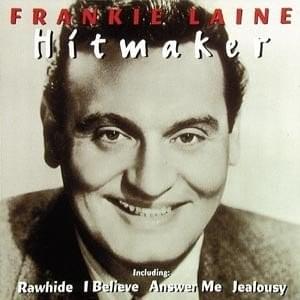
Frankie Laine's "Jealousy" isn't just a song; it's a masterclass in sonic paranoia, a tango of the mind where love and suspicion waltz inseparably. The unnamed narrator is consumed by the titular emotion, a green-eyed monster fueled by a lover's ambiguous affection. The brilliance of the song lies in its central metaphor: the tango itself. This isn't just a dance; it's the embodiment of their relationship – passionate, intimate, yet ultimately performative. The narrator clings to the illusion of connection during the dance, reading into fleeting glances and synchronized heartbeats, desperate to believe in a love that exists only within the music's spell. The lyrics paint a picture of someone hyper-aware of the performative nature of romance, grasping at straws for genuine connection. This anxiety is palpable, making the song relatable to anyone who's ever questioned the authenticity of their partner's feelings.
The phrase "when the music starts, my peace departs" is the song's core. It reveals the narrator's awareness of the music's deceptive power. The tango becomes a temporary escape from reality, a shared delusion where love seems real. Yet, this manufactured intimacy is a double-edged sword. The narrator knows that the music will inevitably end, shattering the illusion and leaving them vulnerable to the truth: "it's only a tango you love." The fear of this inevitable disillusionment fuels the jealousy, creating a self-perpetuating cycle of longing and doubt. The tango, therefore, is not a symbol of love fulfilled but a constant reminder of love's potential emptiness.
Ultimately, "Jealousy" explores the fragile nature of belief in relationships. The lyrics delve into the psychological territory where insecurity breeds suspicion, and the line between genuine affection and performative intimacy blurs. The narrator's fear isn't just about losing their lover; it's about confronting the possibility that the love they crave never truly existed in the first place. The tango becomes a metaphor for the carefully constructed facade of the relationship, a dance that masks a deeper emotional void. The song's lasting power lies in its unflinching portrayal of this internal conflict, reminding us that sometimes, the most torturous prisons are the ones we build ourselves out of fear and insecurity. The song meaning of "Jealousy" resonates because it taps into a universal fear of unrequited or, worse, performative love.
 View Artist