Song Meaning
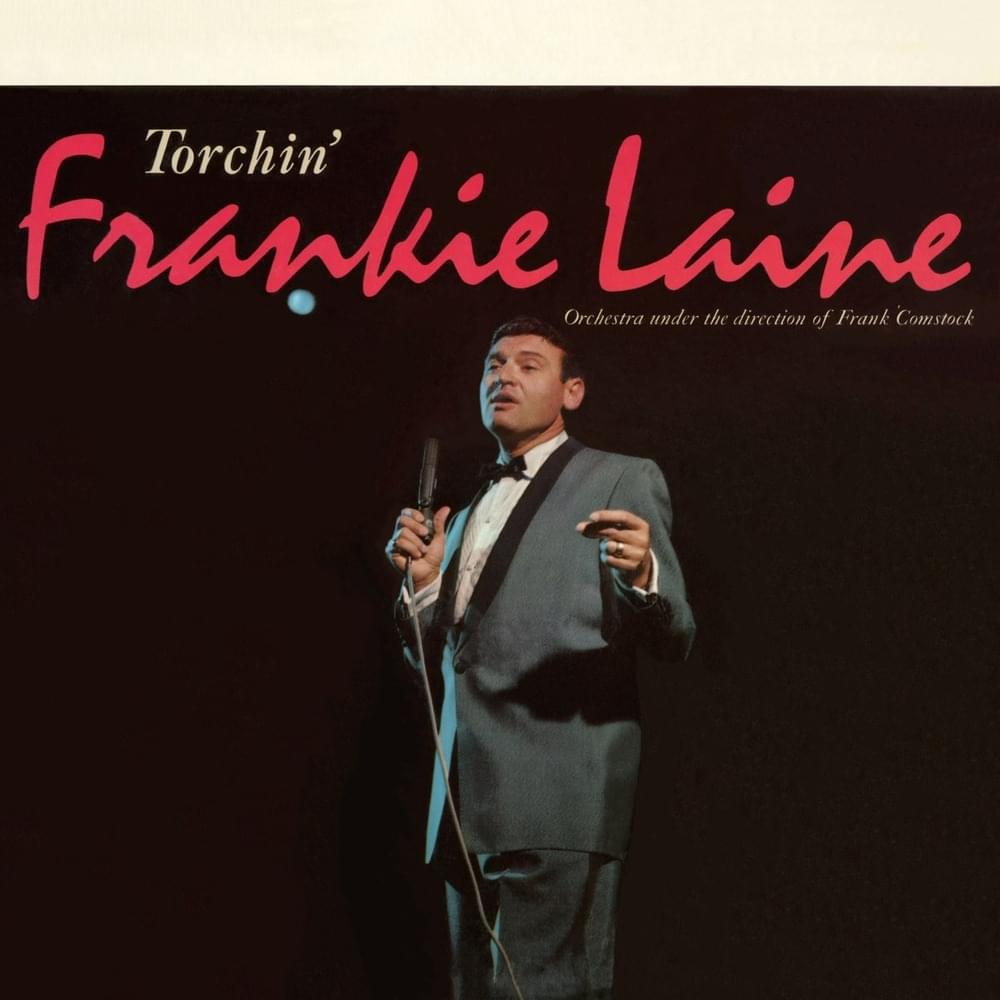
{"song_id": 15466590, "meaning": "Frankie Laine's \"I Get Along Without You Very Well\" is a masterclass in denial, a poignant exploration of the chasm between what we tell ourselves and the persistent ache of absence. The repeated phrase, \"Of course I do,\" acts as a fragile shield, barely concealing the raw vulnerability beneath. It's a mantra of self-deception, desperately trying to convince both the singer and the listener that the wound has healed. But the carefully constructed facade crumbles with each 'except' – each trigger that drags the singer back to the painful reality of lost love.
The song's genius lies in its specificity. It's not just the grand gestures of romance that are missed, but the small, sensory details: the soft rain dripping from leaves, a familiar laugh. These are the unbidden reminders, the subtle yet powerful forces that chip away at the carefully constructed wall of indifference. The lyrics paint a portrait of someone caught in a loop of feigned indifference and sudden, sharp pangs of longing. It’s the psychological dance we all know too well: the attempt to bury emotion, only to have it resurface unexpectedly, triggered by the most innocuous of stimuli.
Laine's delivery, tinged with a world-weary resignation, amplifies the song's emotional core. The bridge, with its self-deprecating \"What a guy, what a fool am I,\" reveals a flicker of self-awareness, a recognition of the futility of his charade. He understands the delusion, yet remains trapped within it. The final verse, with its fear of Spring – a season of rebirth and renewal – is particularly heartbreaking. Spring, typically associated with hope, becomes a threat, a potential catalyst for emotional devastation. The song, therefore, transcends a simple tale of heartbreak; it becomes a study in the complexities of grief, the enduring power of memory, and the human capacity for self-deception in the face of overwhelming loss."}
 View Artist