Song Meaning
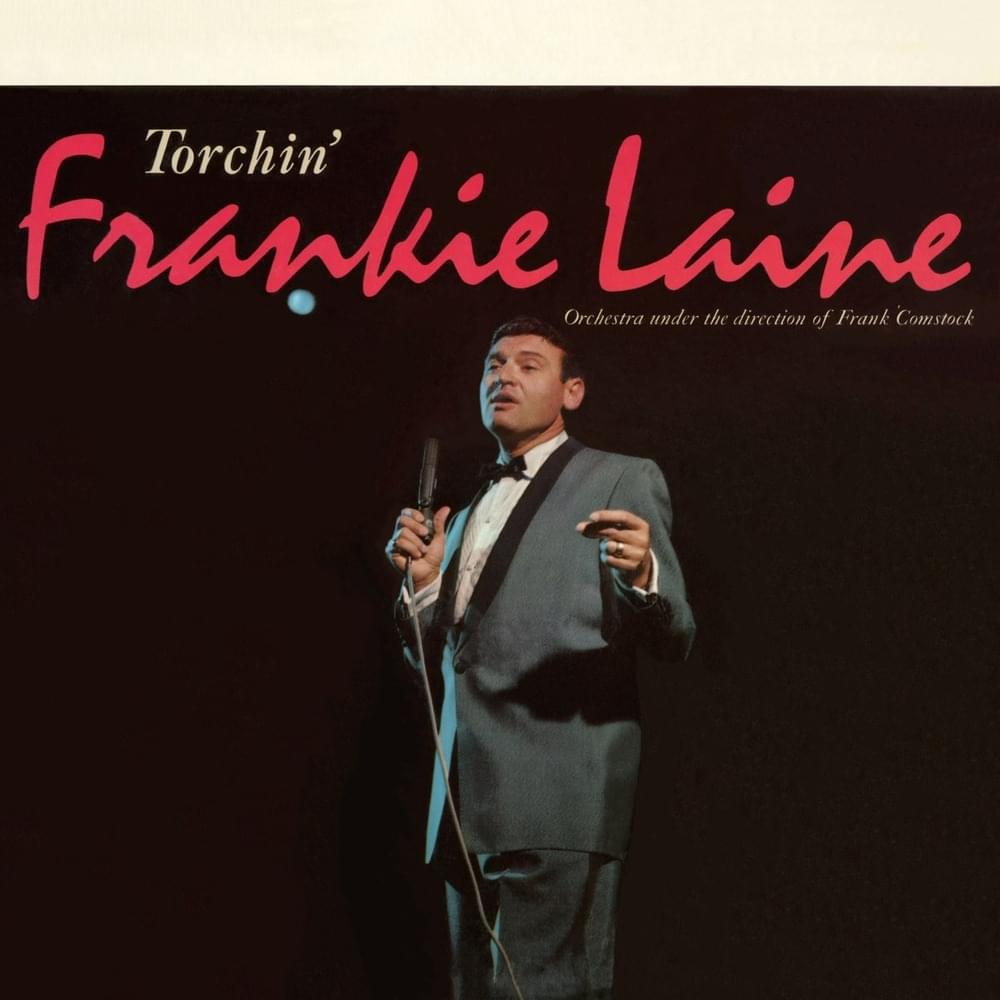
{"song_id": 15466587, "meaning": "Frankie Laine's \"I Cover the Waterfront\" isn't merely a song; it's a masterclass in melancholic longing, distilled into a few deceptively simple verses. The waterfront, in this context, transcends its literal meaning. It becomes a liminal space, a threshold between hope and despair, where the protagonist is perpetually suspended, watching, waiting, and yearning for a love that may never return. The act of 'covering' the waterfront isn't one of exploration or discovery, but rather a repetitive, almost ritualistic act fueled by unwavering hope against increasingly bleak odds. The narrator's vigil becomes a self-imposed sentence, defined by the absence of the beloved. The setting itself, with the vast, indifferent sea and the 'starless sky above,' amplifies the feeling of isolation.
The lyrics subtly hint at a power dynamic inherent in absence. The questions posed – \"Are you forgetting? Do you remember? Will you return?\" – reveal a deep-seated anxiety about being forgotten, about the fragility of memory and the potential for love to fade. This vulnerability is amplified by the deliberate simplicity of the language. There are no elaborate metaphors or complex rhyme schemes, only raw, unfiltered emotion laid bare. The repetition of 'I cover the waterfront' acts as a somber refrain, hammering home the ceaseless nature of the narrator’s vigil. It is both a testament to enduring love and a stark portrayal of the emotional toll that unwavering hope can exact.
\"I Cover the Waterfront\" ultimately taps into a universal human experience: the agonizing uncertainty of waiting for someone you love. It's a song about the quiet desperation that simmers beneath the surface when love is lost or threatened. The waterfront becomes a stage for this personal drama, a place where the human heart grapples with the forces of time, distance, and the agonizing possibility of being forgotten. Laine's rendition, imbued with his signature gravitas, elevates the song beyond a simple love ballad, transforming it into a poignant meditation on longing and the enduring power of hope in the face of overwhelming uncertainty."}
 View Artist