Song Meaning
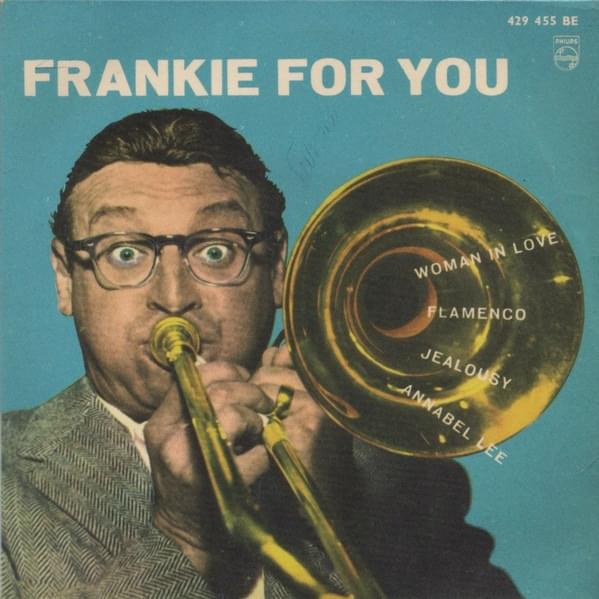
Frankie Laine's "Flamenco" isn't just a song; it's a miniature emotional drama set to music. The track paints a vivid picture of fleeting romance and the intoxicating allure of a free-spirited lover. The initial setup is classic: starlit eyes, passionate guitars, and the magnetic pull of the flamenco. But beneath the surface lies a sense of impending loss, as the narrator acknowledges his inability to hold onto this captivating figure. He "reached for charms," a desperate attempt to secure the connection, but she "danced out of my arms," foreshadowing the inevitable heartbreak. The "haunting refrain" becomes his lament, a plea wrapped in the rhythms of longing.
The core of the song's meaning resides within the repeated "Dance gypsy dance" chorus. The word "gypsy" carries significant weight, representing a rejection of conventionality. She laughs at romance, breaks every rule, and embodies a wild, untamed spirit. The narrator is both entranced and wounded by this freedom. "Love will not die, gypsy" is less a statement of hope and more a desperate attempt at self-persuasion. He recognizes the power dynamic; she has "captured the heart of a fool," and he's willingly surrendered to her spell.
Even the brief moments of physical intimacy – "Then we kissed and you sighed" – are tinged with melancholy. The sigh suggests a bittersweet awareness of the moment's transience, a recognition that "living for today" is both exhilarating and ultimately unsustainable. The flamenco music, ever-present, underscores the passion and the drama, serving as both a backdrop and a participant in this fleeting encounter. "Flamenco" is not simply about falling in love; it's about the intoxicating, often painful, experience of loving someone who is fundamentally unbound.
 View Artist