Song Meaning
The lyrics paint a stark picture of impending loss and the paralyzing fear it brings. The narrator grapples with the immediate aftermath of a departure that hasn't even happened yet, questioning their own identity and future. The dominant tone is one of profound anxiety, bordering on existential dread, as the prospect of being left alone threatens to unravel their entire sense of self and purpose. It's a raw depiction of how the fear of separation can feel like a present reality, distorting the narrator's perception of time and self.
The central tension lies in the narrator's struggle against a perceived inevitable fate, a "camino inevitable" that feels dictated by "destino." This external force, fate, appears to be pushing the narrator towards a state of stagnation, "a las que no vuelan lejos," a life devoid of aspiration or freedom. Despite this overwhelming sense of predetermination, the narrator expresses a desperate desire to resist this fate, to "cambiar esta angustia" and find meaning again, even as they admit to "muriendo por dentro." The repeated question, "Como puedo amarte si se acaba el tiempo," highlights the futility and pain of trying to hold onto love when the end feels so close.
The most striking craft element is the persistent invocation of "destino" and the concept of "a pesar de mí, a pesar de ti." This repeated phrase underscores the feeling of being caught between personal will and external forces, or perhaps between two individuals whose actions are leading them towards this painful conclusion, regardless of their individual desires. The contrast between the narrator's internal struggle and the seemingly predetermined outcome creates a powerful sense of helplessness. The lyrics suggest that the fear of loss is so potent it's already causing a kind of internal death, a "muriendo por dentro," even before the actual separation occurs.
This lyrical construction is effective because it taps into a universal fear of abandonment and the existential crisis that can accompany it. By focusing on the *anticipation* of loss and the internal disintegration it causes, the lyrics create a visceral emotional impact. The narrator's confusion about their own identity-"Ya no sé lo que soy, ya no sé"-resonates deeply, making the abstract concept of fate feel intensely personal and devastating. The writing forces the listener to confront the paralyzing power of dread and the desperate, often futile, search for meaning in the face of perceived inevitability.
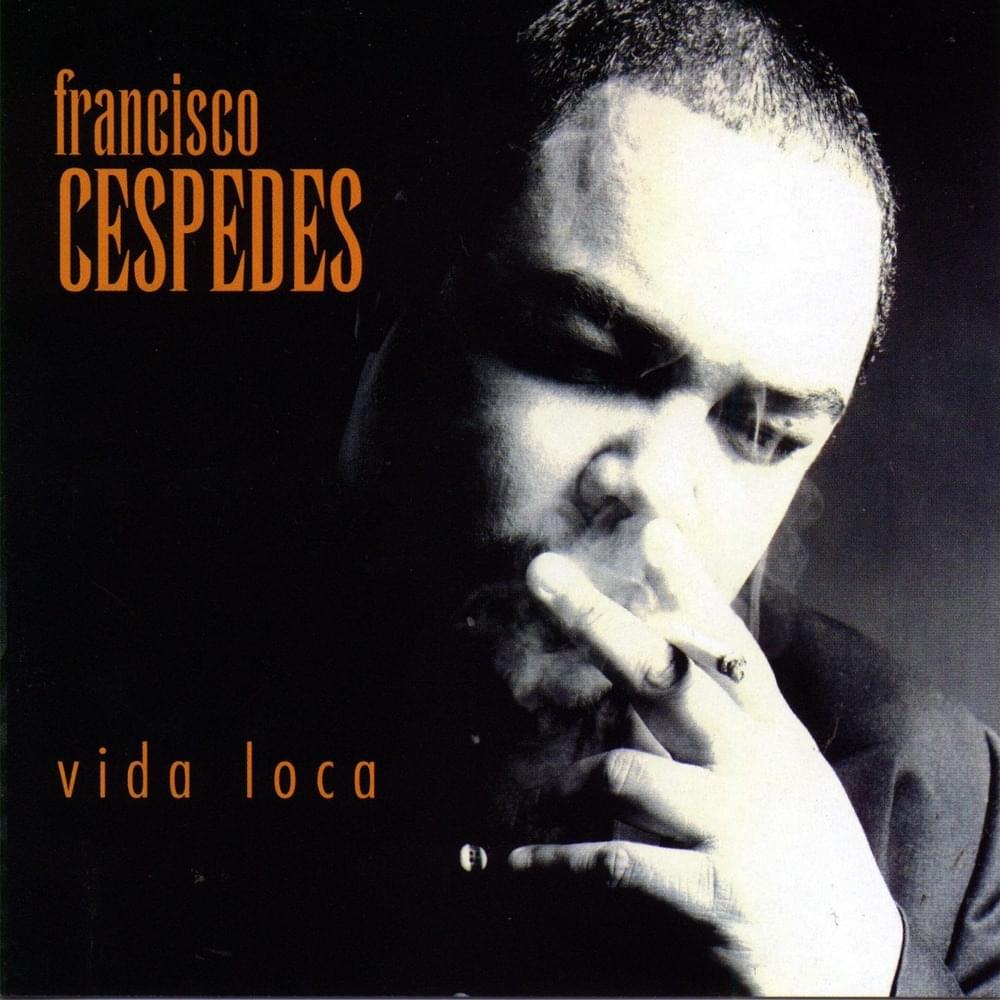
 View Artist