Song Meaning
These lyrics open with a stark observation about life's sudden extremes, where one can find "tanta vida" or "la muerte" in an instant. The narrator quickly shifts to a personal declaration, announcing that "ha empezado la calma" and a stifling silence is finally departing. It's a powerful statement of arrival, marking a significant emotional turning point.
The initial lines hint at a struggle against moments that go "Contra todo sentido," contrasting with an unnamed "you" who stubbornly tried to "ser" but ultimately failed. The narrator, however, found their own path, experiencing profound, almost paradoxical emotions: they "Llore la alegria / Rei tanta pena." This suggests a deep, cathartic processing of life's complexities, where joy and sorrow intertwine, leading to a unique form of understanding.
The craft here is particularly striking in its use of active imagery and personification. The narrator's dreams, once perhaps dormant, are said to have "Cantaron un dia," giving voice and life to their aspirations. This transformation culminates in vivid physical actions: the narrator declares, "Sacudo mis ropas / Espanto el gorrion," painting a clear picture of shedding the weight of the past and startling away lingering anxieties or small, persistent worries.
Ultimately, the lyrics achieve a profound sense of closure through a direct, almost ritualistic address. The narrator offers a poignant "Perdona pasado / Por esta cancion," framing the song itself as an act of forgiveness and liberation. This makes the piece not just a reflection, but an active performance of healing, allowing the listener to feel the weight of what's being released and the lightness of the peace that has finally begun.
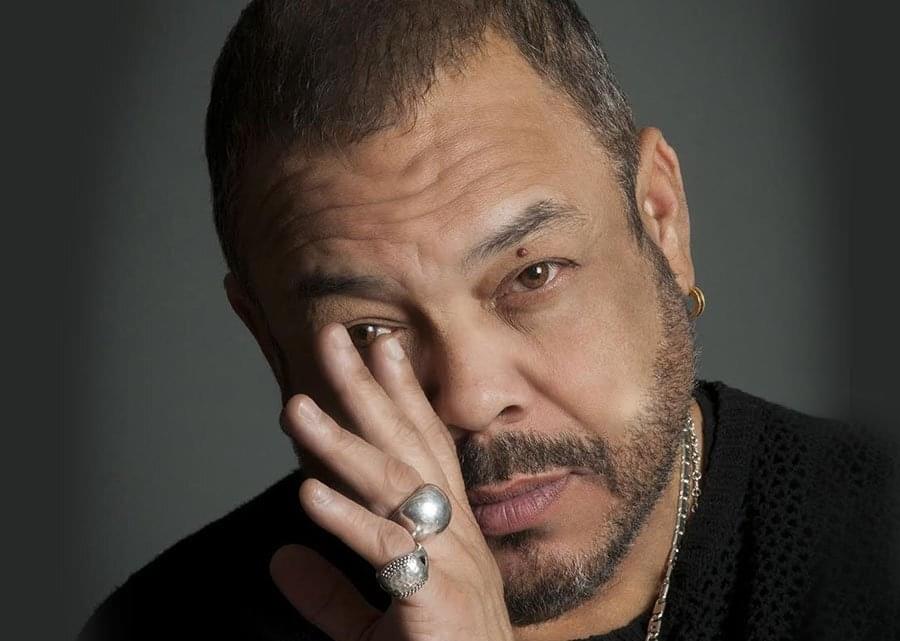
 View Artist