Song Meaning
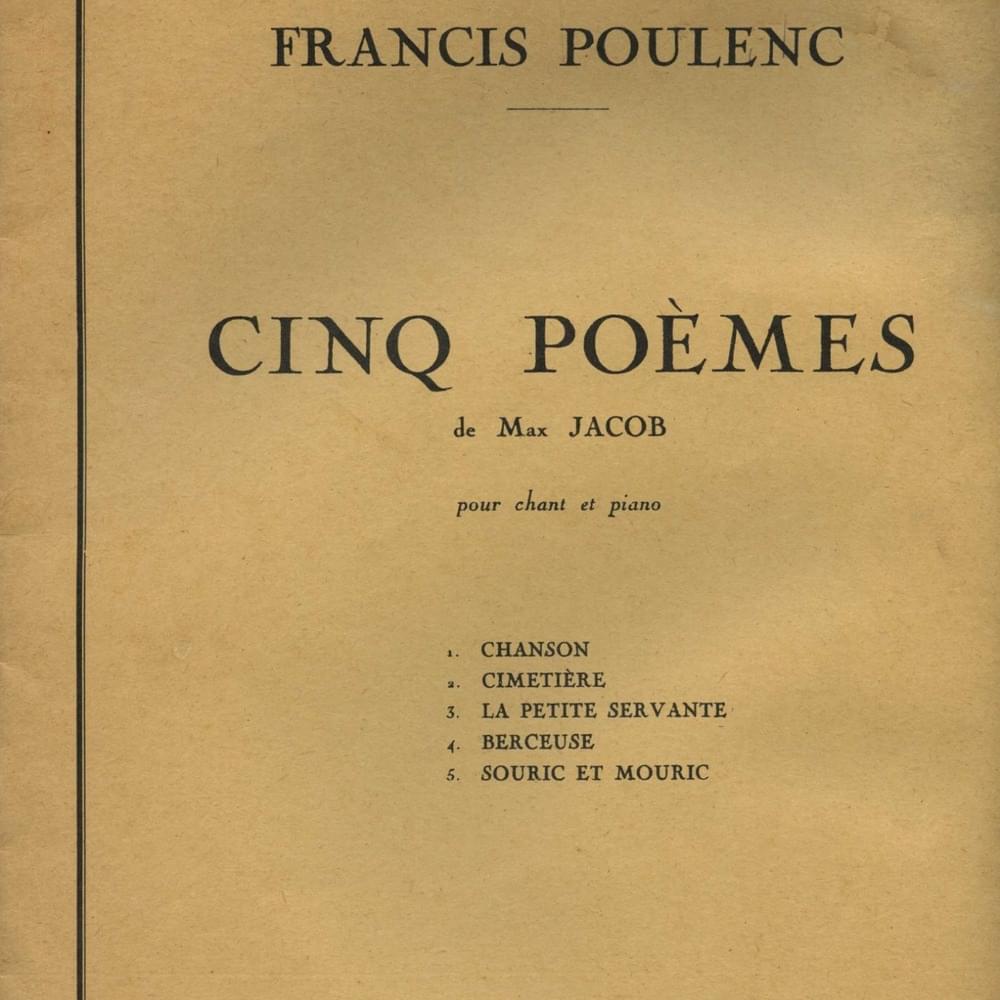
This ditty opens with a stark, almost childlike lament: the narrator has lost both their hen and their cat. The immediate tone is one of simple, profound loss, amplified by the plea, "Si Dieu me les rendra" (If God will return them to me). The search begins, a quest that takes the narrator through familiar places and people, asking Jean le Coz and Marie Maria, and even Hérode, if they might know the whereabouts of the missing pets. This establishes a sense of community and shared concern, or perhaps just the desperation of someone seeking any clue.
The narrative takes a sharp, surreal turn in the third stanza. The narrator passes a hall and sees the entire town gathered, not in mourning or searching, but witnessing a peculiar spectacle: "À voir danser ma poule / Avec mon petit chat" (To see my hen dancing / With my little cat). This image completely upends the initial distress, transforming the loss into a bizarre, communal celebration. The pets are not just found; they are performing, suggesting a fantastical, dreamlike resolution to the narrator's worry.
The final stanza pushes the surrealism further, painting a scene of universal revelry. "Tous les oiseaux champêtres / Sur les murs et sur les toits / Jouaient de la trompette / Pour le banquet du roi" (All the country birds / On the walls and roofs / Were playing the trumpet / For the king's banquet). This grand, almost absurd imagery suggests that the pets' reappearance and newfound talent have triggered a widespread, joyous occasion. The lyrics masterfully shift from personal grief to a whimsical, communal fantasy, where even nature participates in a royal feast, all seemingly orchestrated by the return of the lost animals.
 View Artist