Song Meaning
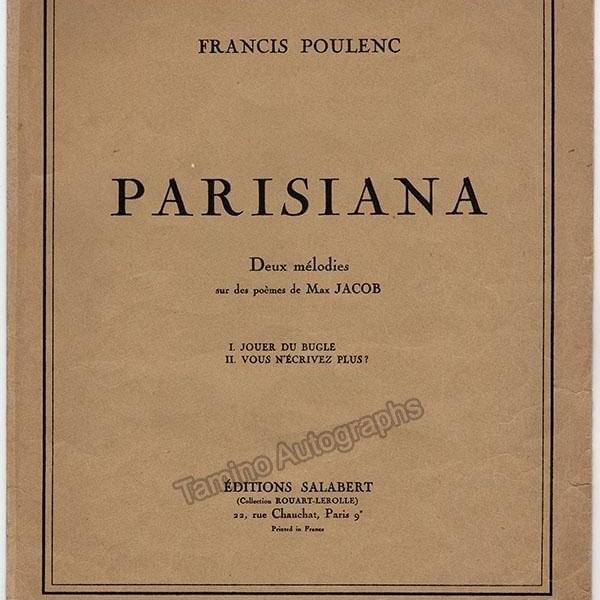
“Jouer du bugle” paints a series of stark, almost surreal vignettes. We see three women playing a bugle late in a bathroom, then a silent child catching crabs. A cruel, wealthy father and a child with "three mothers" emerge. The scene shifts to the narrator, playing the bugle publicly.
The lyrics weave together tales of hidden lives and quiet suffering. There's a pervasive sense of neglect and societal judgment, particularly around the "fils adultérin" (illegitimate son) who "ne dit pas une syllabe." This silence contrasts sharply with the unusual forms of expression – the private bugle playing of the women and the public performance of the narrator. The tension lies in these unspoken burdens and the peculiar ways characters navigate their circumstances.
The most striking element is the sudden, intimate shift in perspective. Initially, the narrator observes these strange scenes from a distance, but then abruptly claims the act of bugle playing for themselves. This twist recontextualizes the entire piece. The bugle, first a peculiar detail about the women, becomes the narrator's own instrument of public vulnerability, played "Au Pont d'Iéna" with "Un écriteau sur la manche." It suggests a shared, perhaps melancholic, form of expression or even a means of survival among these disparate lives.
This unexpected pivot makes the listener reconsider the preceding images, suggesting a deeper connection between the seemingly disparate characters. The lyrics don't offer easy answers, instead presenting a series of raw, unvarnished observations about human struggle, hidden shame, and the quiet ways people try to make themselves heard.
 View Artist