Song Meaning
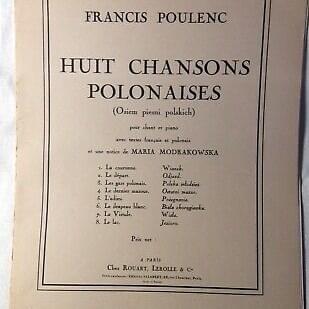
This Polish lyric paints a stark contrast between domestic devotion and revolutionary fervor. A woman, identified as a "Warszawianka" (a woman from Warsaw), meticulously sews a "białą chorągiewkę" (a white flag or banner) for her lover. Her actions are steeped in sorrow and prayer, suggesting a deep emotional investment and perhaps a premonition of danger. The scene is one of tender, albeit tearful, preparation for someone dear.
The narrative then pivots dramatically to the lover's response. He sheds his "fraczek" (a formal coat) and dons a "czamara" (a type of military coat or tunic) to stand "przeciw cara" (against the Tsar). This shift signifies a transition from personal life to public duty, from quiet craftsmanship to active rebellion. The imagery of preparing a weapon – "Kulka w rurkę, proch w panewkę" (Bullet in the tube, powder in the pan) – underscores the immediate and violent nature of his chosen path.
The most striking element is the juxtaposition of the woman's gentle, sorrowful sewing with the man's decisive, militaristic preparation. Her "białą chorągiewkę," potentially a symbol of peace or a marker for her beloved, is repurposed or overshadowed by the imminent conflict. The lyrics suggest that personal affection and political struggle are inextricably linked, with the former fueling the latter, even if tinged with profound sadness.
This lyrical structure effectively captures the emotional weight of a time when personal lives were often consumed by larger political upheavals. The quiet desperation of the woman's prayer and sewing directly precedes the man's readiness for battle, highlighting the sacrifices and anxieties inherent in such a volatile environment. The writing forces the listener to feel the tension between love and war, domesticity and revolution, all within a few potent lines.
 View Artist