Song Meaning
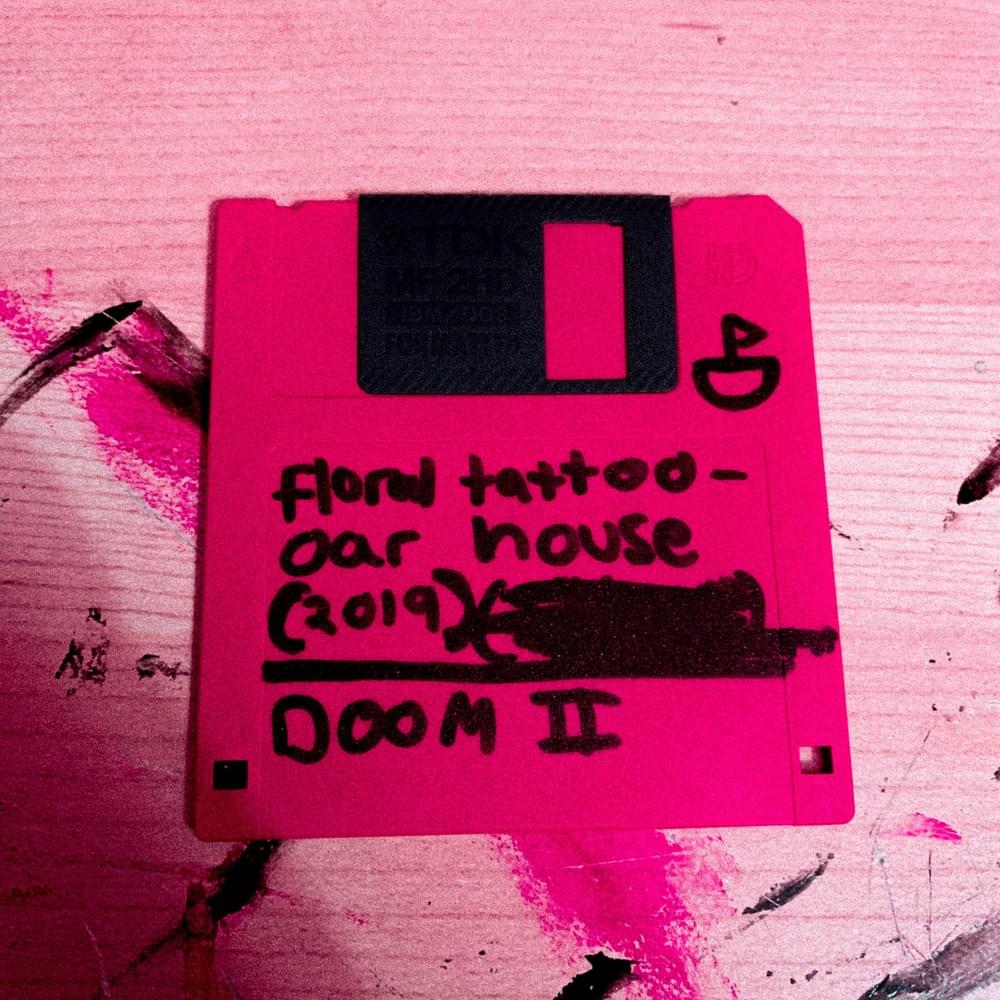
The lyrics paint a stark picture of reluctant departure and systemic entrapment. The narrator drops someone off at a place called the "Oar House," a location immediately associated with negativity and fear from the person being left behind. This initial scene sets a somber tone, hinting at an unavoidable, perhaps institutional, separation that neither party desires.
The core tension arises from the conflict between personal wishes and a perceived "hurtful system." The narrator acknowledges the pain of the situation but frames it as a universal condition: "we're all born into a hurtful system." This suggests a resignation to external forces that dictate circumstances, even as a desire for something better flickers.
The most striking element is the abrupt pivot from this shared melancholy to a radical call for revolution: "Let's burn it down and embrace our freedom." This isn't just a wish for escape; it's an urgent, almost desperate, plea for total systemic dismantling. The contrast between the mundane, soul-crushing "routine" of "cleaning toilets" and the explosive imagery of burning everything down highlights the depth of the narrator's despair and their yearning for radical change.
Ultimately, the effectiveness of these lyrics lies in their raw, unvarnished portrayal of disillusionment. The repetition of the "hurtful system" refrain grounds the abstract desire for freedom in the concrete reality of a life defined by tedium and obligation. The repeated "Burn it down" acts as a primal scream against the perceived injustices of a life that feels predetermined and unsatisfying, resonating with anyone who has felt trapped by circumstance.
 View Artist