Song Meaning
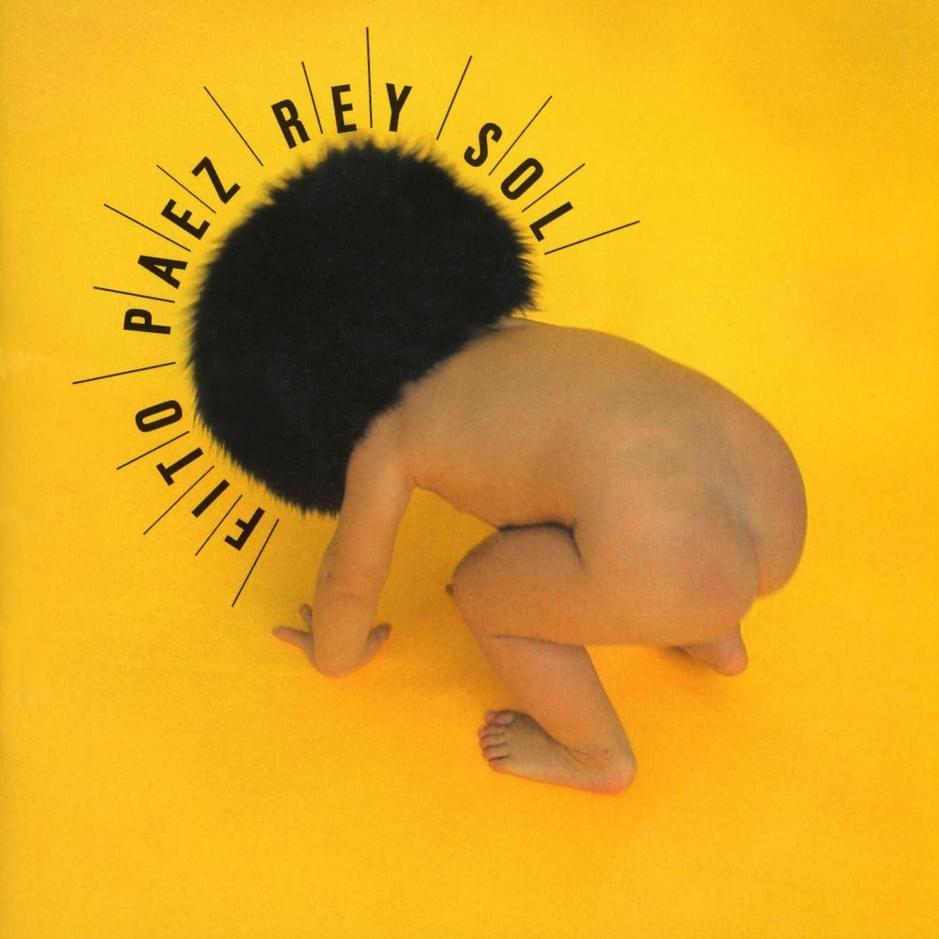
{"song_id": 13732853, "meaning": "Fito Páez's \"Rey Sol\" isn't just a song; it's an intimate, sun-drenched portrait of newfound paternal love. The lyrics, simple yet profound, evoke the overwhelming joy and transformative power a child brings into a parent's life. The title, \"Rey Sol\" (Sun King), immediately establishes the child as the radiant center of the singer's universe, a source of warmth, energy, and renewal. Páez isn't crafting a complex narrative here; he's capturing a feeling, a visceral connection to his child. The repeated phrase, \"Que bien te veo crecer\" (\"How good it is to see you grow\"), speaks to the wonder and awe of witnessing a child's development. The lyrics suggest a preordained destiny, \"Algo en las estrellas fue escrito,\" implying the child's arrival was not merely chance but a cosmic event that reshaped his existence.
The recurring line \"No es precioso nuestro recién venido?\" (\"Isn't our newborn precious?\") is both a rhetorical question and an emphatic statement. It's a shared sentiment, an invitation for the listener to partake in the singer's adoration. The phrase \"buena leche venidos\" (roughly translated as \"good milk arrivals\") adds a layer of Argentinian colloquialism, suggesting a natural, wholesome, and nurturing presence. It's a term of endearment, emphasizing the purity and innocence of the child. The repeated \"La, la, la\" sections serve as vocalizations of pure, unadulterated happiness, mirroring the simple joys of early parenthood.
Crucially, the bridge offers a glimpse into Páez's past, acknowledging that \"lo que pasó, pasó\" (\"what happened, happened\"). This acceptance of the past, coupled with the declaration that he wouldn't trade his life for anything, underscores the redemptive power of fatherhood. The child isn't just a new beginning; it's a re-evaluation and affirmation of everything that came before. The \"Rey Sol\" lyrics analysis points towards a celebration of life's cyclical nature, where past experiences pave the way for future joys, all illuminated by the radiant presence of a child. The song is a testament to the profound impact of unconditional love and the transformative journey of parenthood, all filtered through Páez's distinctively Argentinian sensibility."}
 View Artist