Song Meaning
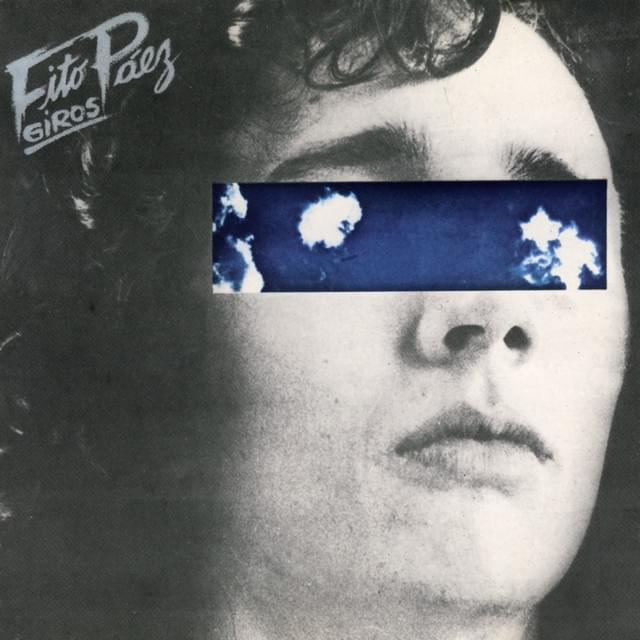
Fito Páez's "Giros" isn't just a song; it's a philosophical stroll through the cyclical nature of existence, a sonic Mobius strip where introspection meets the external world. The repeated invocation of "Giros" (turns, or rotations) immediately establishes the central theme: life as a series of constant changes and perspectives. Páez isn't offering a simple observation but rather an invitation to actively engage with this perpetual motion. The lyrics hint at a search for identity and connection, as the narrator wonders, "Flaco ¿dónde estás?" (Dude, where are you?), admitting to imagining another place and wanting to be someone else. This desire for transformation is intertwined with a recognition of interconnectedness: "Mi necesidad se va modificando con las demás / Así mi luna llega a vos / Así yo llego a tu luna" (My need is modified by others / Thus my moon reaches you / Thus I reach your moon). The moon, a classic symbol of emotional depth and reflection, suggests a reciprocal exchange of inner selves.
The song meaning deepens as Páez juxtaposes the abstract concept of constant change with concrete imagery. The line "Existe un cielo y un estado de coma" (There is a sky and a state of coma) is jarring, forcing a consideration of contrasting states of awareness and existence. This contrast highlights the spectrum of human experience, from the vibrant and conscious to the dormant and unaware. The mention of "fotografías de distintos lugares / Fotográficamente tan distantes" (photographs of different places / Photographically so distant) further emphasizes the fragmented and multi-faceted nature of reality. These snapshots, seemingly disparate, contribute to the larger mosaic of life's rotations. The bandoneon solo, a quintessential element of tango, adds another layer of complexity.
Ultimately, "Giros" explores the tension between individual identity and collective experience. Páez acknowledges the allure of transformation, the desire to be "otro tipo" (another type, another), while simultaneously emphasizing the interconnectedness of human needs and emotions. The recurring motif of rotation suggests that change is not merely linear progression but a continuous cycle of self-discovery and connection. Even the "oxidado" (rusty) tango, whistled while walking, becomes a symbol of enduring tradition adapting to the present moment. Fito Páez, through the lyrics analysis and the song's structure, suggests that the beauty and complexity of life lie in embracing these perpetual "Giros."
 View Artist