Song Meaning
{"song_id": 13732703, "meaning": "Fito Páez's \"Los restos de nuestro amor\" isn't simply a breakup song; it's a portrait of a love affair dissected, examined under the harsh light of its aftermath. Páez isn't wallowing; he's cataloging. The opening lines, \"Yo puedo beber, Puedo deshacer, Mi alma en un segundo,\" suggest a self-destructive streak, a capacity for both intense feeling and equally intense self-annihilation, all seemingly triggered by the woman at the song's center. He's capable of grand gestures (\"Puedo darte el mundo\"), yet rendered vulnerable by her indifference (\"Mientras te reís, Y me haces sufrir\").
The core tension lies in the push and pull. He offered her a haven (\"Yo te di un lugar, Yo te di mis manos\"), but she remains volatile, untamable (\"Te podés pirar, Te podés mojar, No podés callarte\"). Despite the pain, there's a strange acceptance, a premonition that she'll eventually find happiness and, perhaps, even offer him some form of redemption (\"Vas a ser feliz, Vas a darme a mí, Algo de tu sangre\"). This isn't a plea for reconciliation, but a detached observation of their intertwined fates.
The song's title, \"Los restos de nuestro amor\" (\"The Remains of Our Love\"), takes on its full weight in the final lines. It's not just about the broken pieces, but about the lingering impressions, the echoes of shared experiences. \"Todos los momentos en los que te hice feliz / Son los restos de nuestro amor\" suggests that even the joy they shared now serves as a reminder of what's lost. The \"sombras de un hechizo que pasó\" hint at a love that was intoxicating, perhaps even magical, but ultimately unsustainable, leaving behind only shadows and fragmented memories. It is a post-mortem examination of a love affair, acknowledging both its beauty and its inherent fragility."}
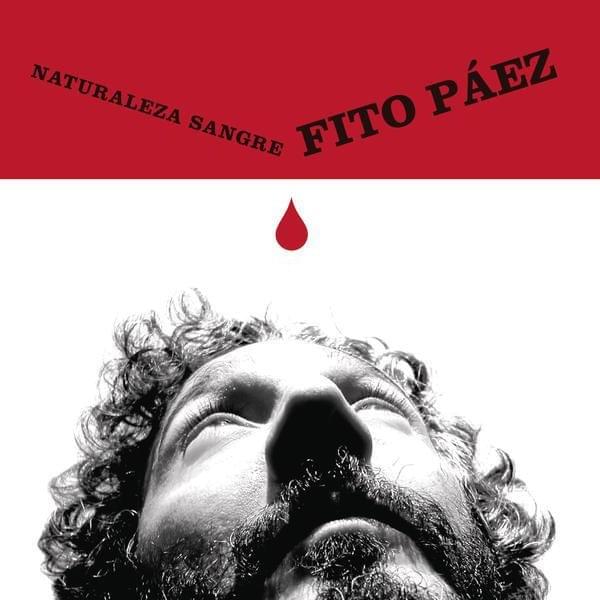
 View Artist