Song Meaning
Fito Páez's "Julius Perdiendo Todo" isn't a straightforward narrative; it's a spiraling descent into self-awareness fueled by gin and regret. The song meaning resides in its fragmented imagery, a collage of literary and cultural references that paint a portrait of a man in freefall. The opening lines, invoking Baron Charlus from Proust's *In Search of Lost Time*, immediately sets a tone of decadent introspection, a yearning for oblivion in the face of overwhelming loss. The lyrics hint at a life lived in excess, where memories are now "sfumaron en el viento" (faded in the wind), leaving only the bitter taste of the present. Páez crafts a character wrestling with his own failings, a "miserable" figure undone by "ginebra mala" (bad gin) that has eroded his better self.
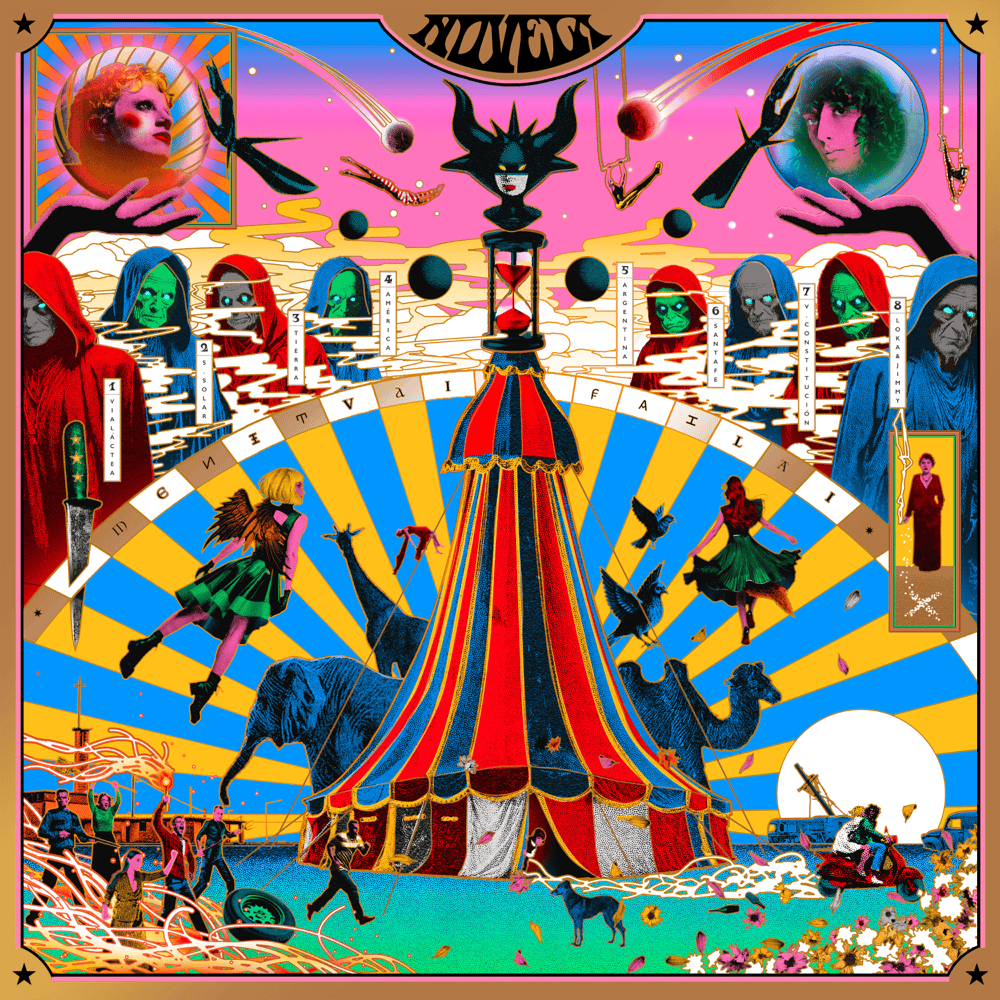
The recurring motif of the circus acts as a metaphor for the protagonist's life, a spectacle of faded glory and existential wandering. References to "Mago Simón" (Simon the Magician) and "Míster Rattin" (likely alluding to the Argentinian footballer Roberto Perfumo, nicknamed 'Rattin') add layers of cultural specificity, grounding the song in a particular time and place while simultaneously elevating it to a more universal level. These figures appear as both companions and enablers, complicit in the protagonist's self-destructive tendencies. The line "Yo te saqué de aquella cueva" (I took you out of that cave) suggests a past act of salvation or rescue, now rendered meaningless by the present circumstances. He is a "domador errante / perdiéndolo todo" (wandering tamer / losing everything), stripped bare of illusions and left only with the raw reality of his choices.
Ultimately, "Julius Perdiendo Todo" is a bleak but honest meditation on the consequences of a life lived on the edge. The "ruta perdedora" (losing route) becomes a symbol of the protagonist's trajectory, a path paved with bad decisions and missed opportunities. Yet, even in the depths of despair, there's a flicker of recognition, a sense that something of value was once present, sealed within "tu boca carmesí" (your crimson mouth). The final verses express a desire for escape: "Salgamos de este pueblo / El circo se acabó" (Let's leave this town / The circus is over). This is not necessarily a redemptive moment, but rather an acknowledgment of the need to move on, to leave behind the ruins of a life consumed by regret and find some semblance of peace, however fleeting, on the road ahead. The song's power resides in its unflinching portrayal of a man confronting his demons, even as he succumbs to them.
 View Artist