Song Meaning
Fito Páez's "Desarma y Sangra" isn't a song you passively listen to; it's a visceral experience, a plunge into the raw nerve endings of existence. Páez constructs a landscape of vulnerability and disillusionment, starting with stark, almost surreal imagery: time as fragile as glass, love as a deceptive illusion, the self as a piercing needle, and the mind as an intricate tapestry. These opening lines aren't mere metaphors; they're a declaration of the precariousness of human experience, where even the seemingly solid is easily shattered.
The song then shifts to a darker, almost allegorical scene of punishment and societal decay. The angel, traditionally a figure of protection, here acts as a brutal enforcer, silencing and disabling the thief. This isn't just about justice; it's about the crushing of dissent and the erasure of individuality. The subsequent lines about people hiding or barely existing, forgetting both humanity and divinity, paint a bleak picture of a world where empathy and connection have atrophied. It's a world ripe for the kind of internal and external bleeding that the title suggests.
Ultimately, "Desarma y Sangra" circles back to the self, the individual grappling with this harsh reality. The singer looks around at wounds both arriving and departing, at suspicions swirling. The core of the song meaning lies in the act of thinking itself. Páez's exploration of the 'soul that thinks' and, in thinking, ceases to be a pure soul, highlights a central tension: the curse of awareness. To disarm and bleed, in this context, is to be stripped bare by the weight of consciousness, forced to confront the inherent suffering of a world that has lost its way. It's a call to feel, even when feeling is excruciating, to remain vulnerable in the face of overwhelming odds.
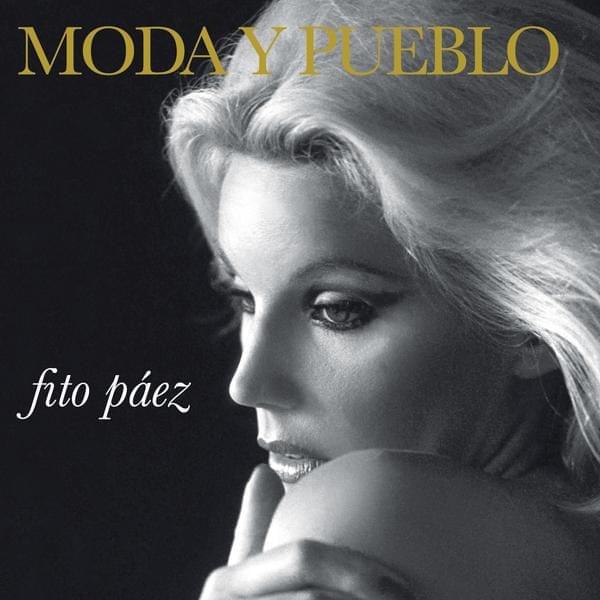
 View Artist