Song Meaning
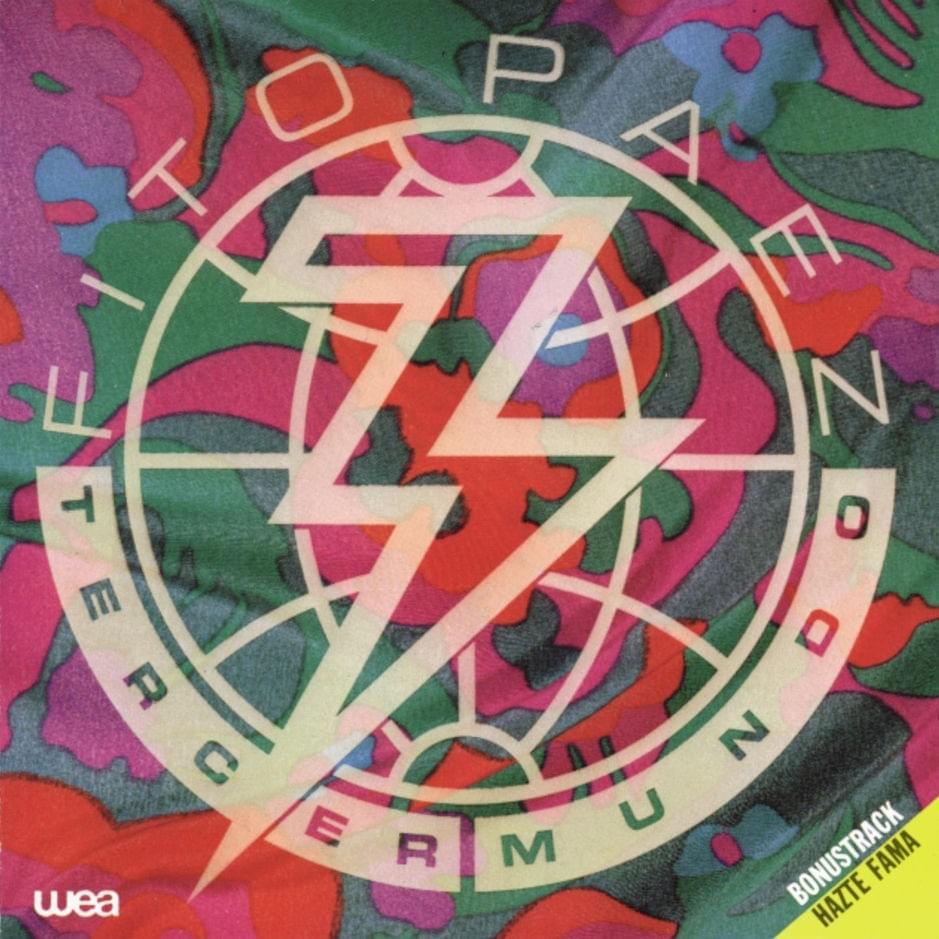
{"song_id": 13732773, "meaning": "Fito Páez's \"Carabelas Nada\" feels like a series of fragmented postcards from a sleepless night, soaked in Argentinian melancholy and the ghosts of its artistic heroes. The opening lines, referencing Chico Buarque, immediately ground the song in a lineage of Latin American musical genius, while the image of Buarque's face illuminated in the morning light suggests both inspiration and perhaps a burden of expectation. The titular \"carabelas de la nada\" – caravels of nothing – become a central metaphor, evoking a sense of aimless drifting and the wreckage of past voyages. These ships, crashing and splintering in the air, might represent broken dreams, failed relationships, or the weight of history itself. It is worth noting that \"nada\" can also mean \"swim\" in Spanish, giving the phrase a contrasting interpretation, perhaps of the artist treading water.
The song then shifts into a series of vivid, almost cinematic vignettes: a woman getting into a taxi in Buenos Aires, a murder in Mataderos, the ever-present specter of tango. Páez doesn't shy away from the darker aspects of Argentine culture, acknowledging the pain and violence that are woven into its fabric. The line \"Lo del tango es una idea que me toca aunque no quiera\" speaks to the inescapable influence of this iconic musical form, even when its inherent sadness feels unwanted. This is followed by a confession of struggling with alcohol. The mention of a woman with captivating legs suggests both temptation and a fleeting escape from the pervasive gloom.
Ultimately, “Carabelas Nada” acknowledges its own existence as “una canción desde el alma” – a song from the soul. The recurring refrain, offering the sun as a source of solace, suggests a yearning for peace amidst the chaos and despair. The final verse, with its raw imagery of a mother selling hashish in Montparnasse, adds another layer of complexity, hinting at the struggles and sacrifices that lie beneath the surface of even the most romanticized cultural icons. Páez doesn’t offer easy answers or resolutions, instead, he presents a raw, unfiltered glimpse into the heart of a complicated and beautiful world."}
 View Artist