Song Meaning
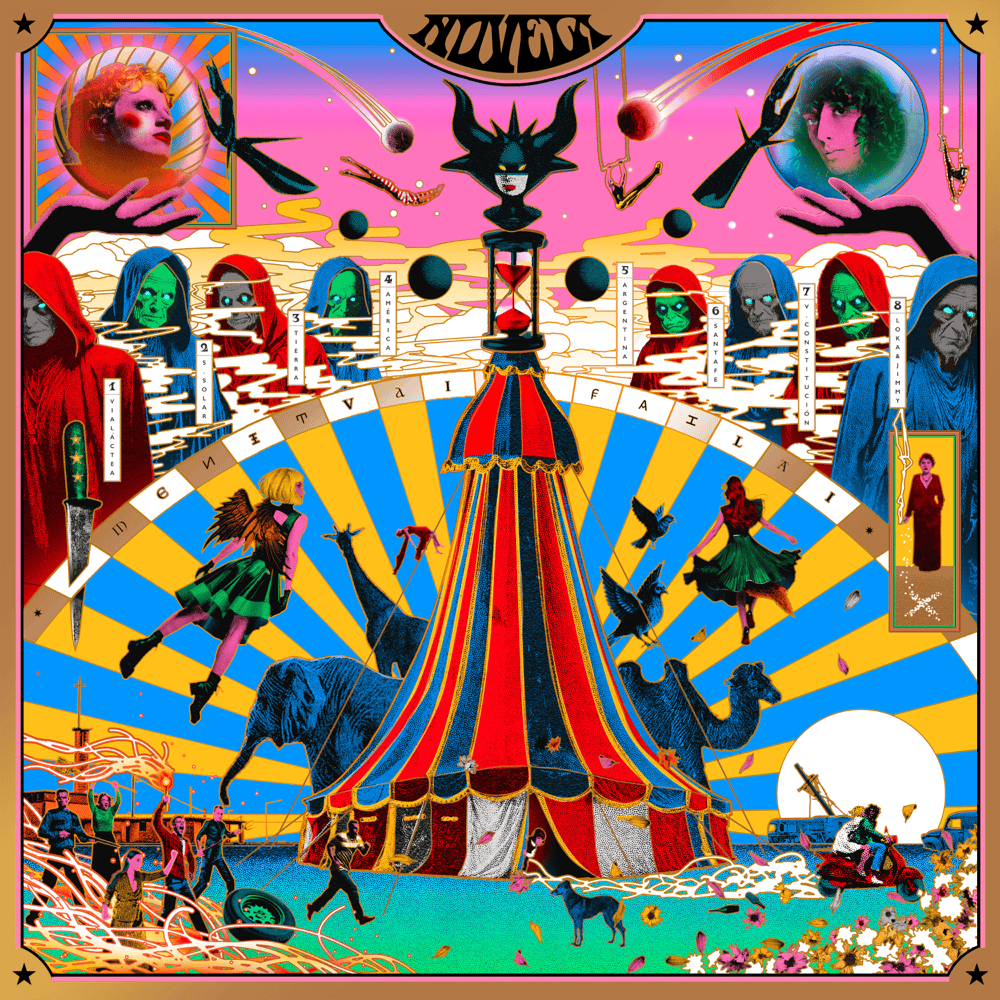
Fito Páez's "Brujas Salen de Prix" isn't just a song; it's a cryptic spell, a sonic invocation of witches, fate, and Argentinian identity within a vast cosmos. The title itself, "Witches Leave Prix," hints at a departure, a breaking free perhaps from earthly constraints. But where are they going, and what's the significance of 'Prix'? Is it a place, a state of mind, or something more arcane? The lyrics offer no easy answers, instead layering surreal imagery with grounded, almost mundane references. The mention of "Cadaqués y su spiritual Deus" places the song in a specific geographic and spiritual context, a nod to the bohemian and artistic history of that Spanish town, suggesting a search for meaning beyond the ordinary. The recurring, almost chant-like phrase "Meni tuai fai lai" adds to the song's mystical aura, its meaning obscured, perhaps deliberately, to create a sense of ritualistic incantation. It acts as a sonic anchor, returning the listener to the central theme of witchcraft and transformation.
However, Páez doesn't leave us adrift in pure fantasy. He grounds the song in the tangible reality of "Argentina, provincia de Santa Fe," anchoring the cosmic narrative to a specific place. This juxtaposition of the universal and the local, the magical and the mundane, is central to understanding the song's meaning. It suggests that the extraordinary can be found within the ordinary, that the witches' flight is not just a fantastical escape but also a journey into the heart of Argentinian identity. The line "Los brujos dan vuelta el reloj de arena" (the witches turn the hourglass) implies a manipulation of time, a power to alter fate. This is juxtaposed with the almost glib English phrase "Everything is gonna be alright!" followed by its Spanish translation, creating a sense of irony and perhaps even a commentary on the human need for reassurance in the face of the unknown.
Ultimately, "Brujas Salen de Prix" resists easy interpretation. The references to "telequinesis," "dones," and the search for "Loka y Jimmy, dos mundos perdidos" contribute to the song's enigmatic quality. These elements hint at a narrative of seeking, of finding hidden potential, and of bridging divides. The final image of a "caricatura de un cura marica / Transando con el mismo diablo" (caricature of a queer priest / Trading with the devil himself) is a provocative and ambiguous symbol, perhaps representing the corruption of power or the blurring of moral boundaries. This image, coupled with the witches flying in circles amidst "traetormentas" (stormy betrayals), suggests that the journey is not without its dangers and challenges. The song's final lines, "La radio después de los gallos" (the radio after the roosters), imply a return to the everyday, but one forever marked by the experience of the witches' flight. The song, then, is a complex exploration of identity, fate, and the search for meaning in a world where magic and reality intertwine.
 View Artist