Song Meaning
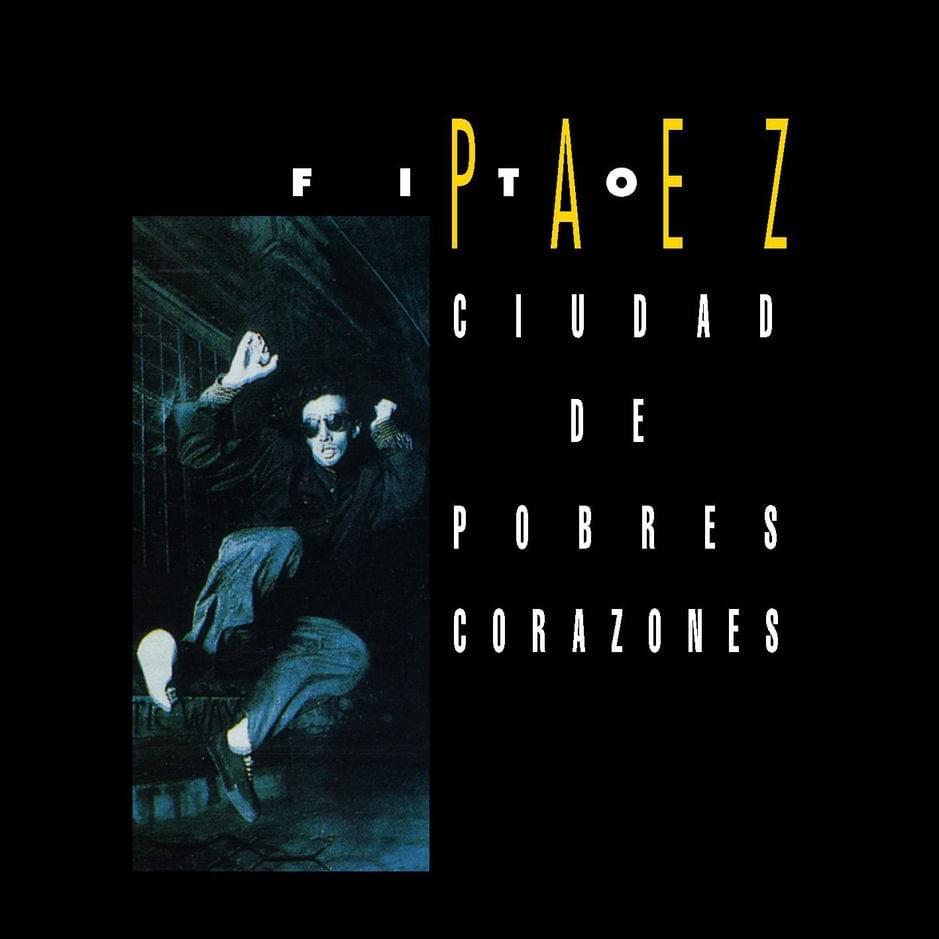
{"song_id": 13732839, "meaning": "Fito Páez's \"A las piedras de Belén\" throws us headfirst into a state of existential frustration. The song is a raw nerve exposed, a visceral reaction to feeling trapped and manipulated. Páez isn't crafting a polite narrative; he's channeling the kind of bottled-up rage that simmers beneath the surface when you feel like the world is conspiring to silence you. The opening lines, dripping with resentment – \"Me dijeron que me calle, que no hay mucho más que ver\" – set the stage for a lyrical confrontation with those who seek to control and diminish him. The feeling of being stuck in a cycle, a \"rollo que al final no sé muy bien cómo se sale,\" is a relatable anxiety for anyone who's felt the suffocating weight of societal expectations or personal limitations.
The lyrics paint a bleak picture of human interaction, oscillating between violence and intimacy. The stark imagery – \"Que te escupan en la cara, que te chupen en la cama\" – suggests a world where pleasure and pain are inextricably linked, where vulnerability is weaponized. This push and pull reflects a deeper psychological struggle, a battle against paranoia and the desire for escape. Páez's plea, \"Ya no quiero levantarme paranoico en el medio de la noche,\" is a desperate yearning for peace, a rejection of the constant anxiety that gnaws at his sense of self. The repetition of \"Esta vez no\" underscores a refusal to be victimized, a defiant stance against the forces that seek to break him.
But where does one turn in such a state of disillusionment? The chorus offers a cryptic, almost surreal escape: \"A la luz de las estrellas, a las piedras de Belén, a las tetas de Gioconda, a los múltiplos de tres.\" These seemingly disparate images – celestial wonder, religious symbolism, artistic beauty, mathematical order – converge to create a space of transcendence, a rejection of the mundane and a search for meaning in the abstract. The destination, \"donde hay algo y a la vez no existe nada,\" hints at a paradoxical truth: that true freedom lies in embracing the void, in letting go of the need for concrete answers. Ultimately, \"A las piedras de Belén\" is a powerful exploration of disillusionment, resilience, and the search for meaning in a world that often feels meaningless. The final, resigned \"Me pregunto qué otra cosa puedo hacer\" leaves us pondering the limits of agency and the enduring human need to find solace, even in the face of despair."}
 View Artist