Song Meaning
The lyrics paint a picture of constant movement, both external and internal. "Viaggiano" (they travel) opens the song, immediately establishing a sense of motion. This travel is first observed "sopra noi" (above us) in the form of "candide le nuvole" (white clouds), a gentle, almost passive observation. This external movement then shifts inward, becoming "dentro me, dentro te" (inside me, inside you), suggesting a shared, intimate experience of this traveling phenomenon. The contrast between the vastness of the clouds and the smallness of "nostre idee" (our ideas) highlights a potential disconnect between grand external forces and personal thought.
The core tension emerges in the repeated plea, "Dimmi che tu le senti ancora di più" (Tell me you feel them even more). This isn't just about observing movement; it's about a desire for shared emotional resonance and a deeper connection to these traveling elements, whether they are ideas, feelings, or something more profound. The lyrics suggest a yearning for validation that these internal journeys are felt with equal intensity by another person, especially as the ideas are described as growing and becoming "limpide" (clear).
The song masterfully uses imagery of nature and human experience to explore this theme. The "rapidi atomi di secoli" (rapid atoms of centuries) introduces a cosmic, almost timeless scale to the traveling, while the "aria fresca di mattina" (fresh morning air) grounds it in a tangible, refreshing sensory experience. This air "mi prende e mi trascina" (takes me and drags me), mirroring the passive yet powerful nature of the internal journeys. The narrator finds stability in "Resti tu" (you remain), a counterpoint to the constant movement, and is sustained by this person who "mi ossigeni la mente" (oxygenates my mind) and pushes them to stay "su" (up) in a world that "tutto crolla giù" (everything collapses down).
Ultimately, the effectiveness of these lyrics lies in their evocative portrayal of internal life mirroring external forces. The repeated "Viaggiano" acts as a mantra for both the uncontrollable flow of time and thought, and the human desire to connect with another through these shared, often unseen, movements. The contrast between a collapsing world and the life-giving presence of another person creates a powerful emotional anchor, suggesting that shared feeling is a vital force against existential drift.
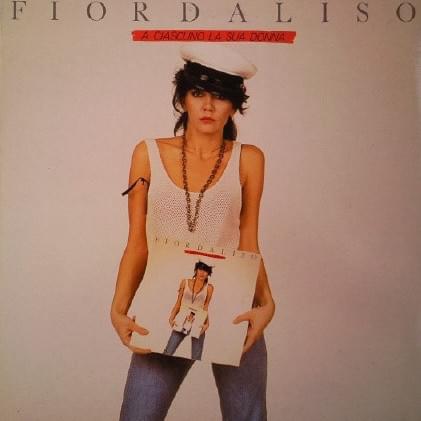
 View Artist