Song Meaning
The narrator is grappling with a powerful, perhaps overwhelming, connection to someone. There's a sense of holding back, a deliberate silence, because the narrator understands that fully experiencing this connection might consume it. "Beni sana çağıran her ne ise sustum" (Whatever calls me to you, I silenced it) establishes this internal conflict right away. This isn't about a simple crush; it's a force that, once unleashed, might burn itself out.
The core tension lies in the desire to maintain this potent feeling without letting it destroy itself through full realization. The repeated plea, "Düşlerime kal" (Stay in my dreams), is the central thesis. It's a request to preserve the intensity of the connection in an idealized, perhaps safer, space rather than in tangible reality where it might fade or become mundane. The imagery of a heart loaded onto ships heading for the ocean ("Gemilere yük yüreğim, gemiler okyanuslara") paints a picture of immense emotional weight being set adrift, suggesting a desire to let go while simultaneously holding onto the essence of the feeling.
The lyrics employ a striking contrast between intense sensory experience and the desire for preservation. The command, "Gözlerime bak / Gözlerimi yak" (Look into my eyes / Burn my eyes), signifies a desire for a powerful, almost painful, moment of connection. Yet, this intensity is immediately followed by the plea to remain in dreams, suggesting that the reality of such a gaze might be too much to bear or too fleeting. The narrator explicitly rejects the idea of becoming a mere memory or a source of regret: "Kalbimde bi' pişmanlık olma / Tenimde sıradan bir anı / Yatağımdaki tükeniş olma" (Don't be a regret in my heart / An ordinary memory on my skin / Don't be an exhaustion in my bed). This reinforces the wish to keep the connection pure and potent, existing outside the confines of ordinary life and its potential for decay.
This push and pull between intense experience and the need for preservation makes the lyrics resonate. The repeated, almost hypnotic, invocation of "Düşlerime kal" functions as a mantra, highlighting the narrator's desperate attempt to control the fate of this powerful emotion. By asking the connection to remain in dreams, the narrator seeks to safeguard its power, preventing it from becoming a "tükeniş" (exhaustion) in the harsh light of day. It’s a sophisticated way of acknowledging love's potential to both exhilarate and destroy, opting for a curated, dreamlike existence to keep the magic alive.
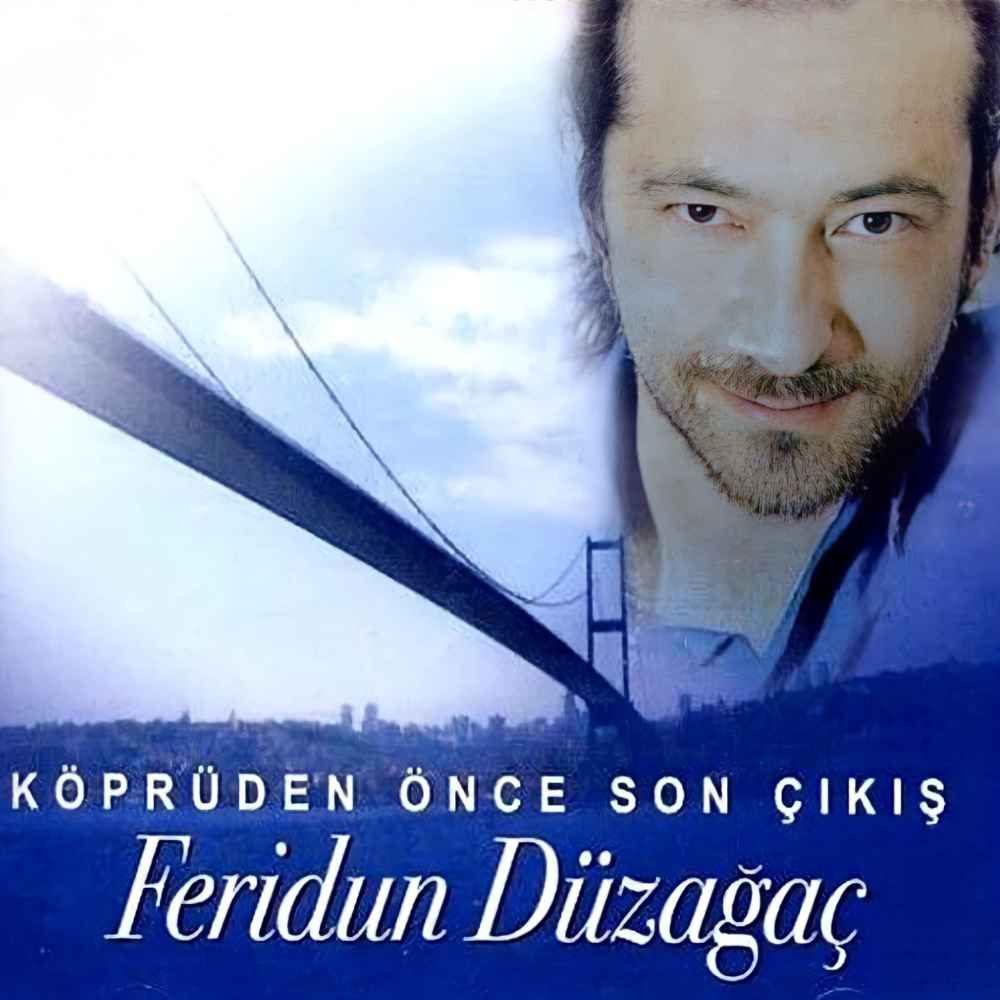
 View Artist