Song Meaning
The lyrics paint a stark picture of unrequited or impossible love, contrasting the narrator's internal winter with the hoped-for spring in the beloved's eyes. There's a deep, unspoken yearning, a "thirst" for love that the narrator feels the other person is unaware of. This internal struggle is palpable, suggesting a love that is both intensely felt and profoundly isolating.
The central tension arises from the narrator's perceived inability to act on their feelings, framed by a sense of duty or reverence towards a "yarim" (my beloved/lover). The narrator states, "You are nothing more than a pain," yet simultaneously declares they "cannot" bring down the "burden of my heart" or "hurt my beloved's dream." This creates a conflict between the destructive nature of this new affection and the existing commitment.
The most striking image is the refusal to "spit" (düşüremem) on the beloved's "rosy face" (gül yüzünden) for the sake of a "kiss" (buse). This powerful metaphor suggests that the narrator would rather endure their internal suffering than tarnish the image or peace of their current love, even for a moment of desired connection. The contrast between the internal "winter" and the external "spring" further emphasizes this emotional divide.
This lyrical construction is effective because it grounds abstract emotional pain in concrete, visceral imagery. The narrator's internal state is a tangible "winter" that "strikes" them, while the desired affection is a delicate "rosy face" that must be protected. The explicit statement of being "nothing more than a pain" combined with the inability to act reveals a deep, self-sacrificing torment that resonates with the listener.
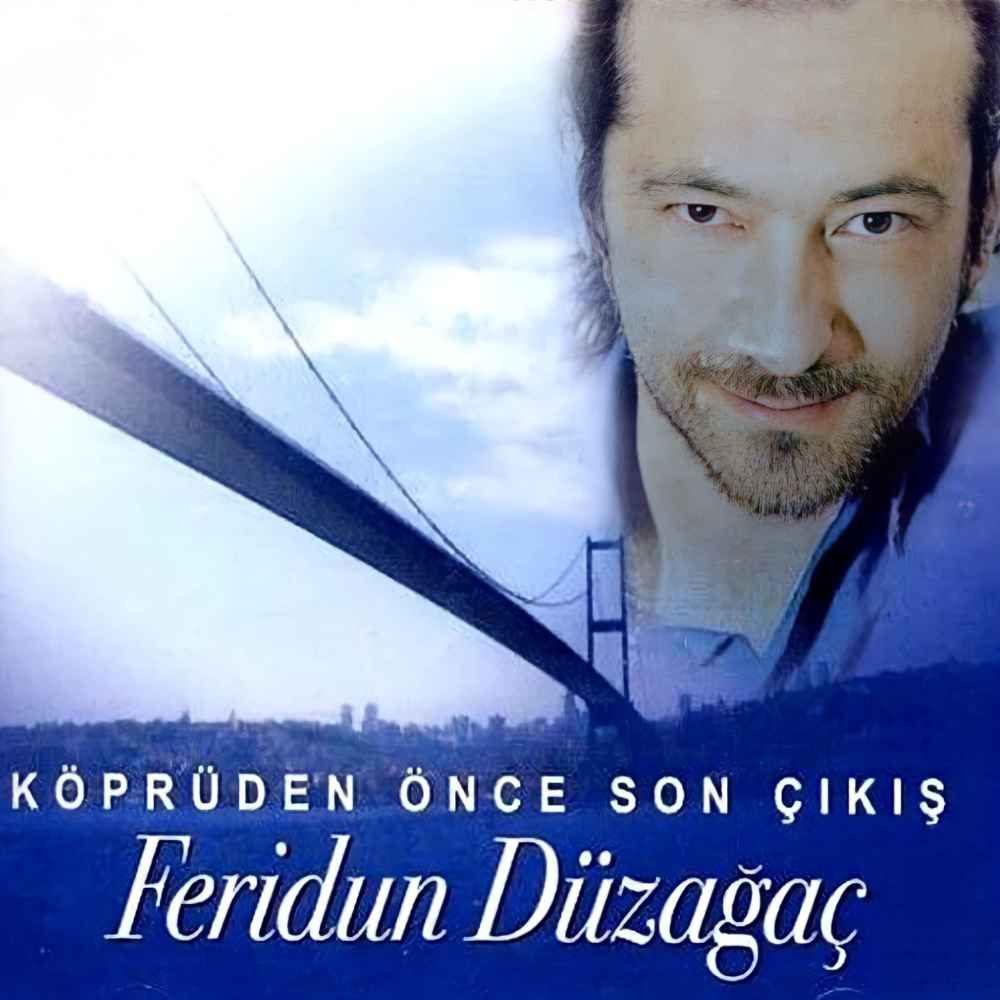
 View Artist