Song Meaning
The lyrics paint a picture of someone deliberately choosing not to dwell on the uncertainties of the future. The narrator emphasizes living in the present, refusing to borrow happiness from days that might not materialize or could bring hardship. This isn't a passive resignation but an active decision to find peace in the immediate, acknowledging that tomorrow's weather is unpredictable.
The central tension arises from the contrast between the narrator's lack of knowledge about future events and their profound certainty about a guiding presence. While acknowledging that "many things about tomorrow / I don't seem to understand," this uncertainty is immediately countered by the powerful affirmation, "But I know who holds tomorrow." This establishes a core faith that transcends earthly comprehension.
The repeated phrase, "I know who holds tomorrow / And I know who holds my hand," is the lyrical anchor. It's a dual reassurance: not only is the future secured by an external force, but the narrator's personal journey is also guided and supported. The imagery shifts from the potential for "grey" skies to "golden stairs" and a place where "the sun is always shining," suggesting a spiritual ascent and ultimate reward.
This lyrical construction is effective because it grounds abstract faith in tangible, albeit aspirational, imagery. The shift from present-day caution to future-oriented hope, facilitated by the unwavering belief in a divine holder, offers a potent emotional release. It's this juxtaposition of personal unknowing with absolute trust that provides the song's enduring comfort.
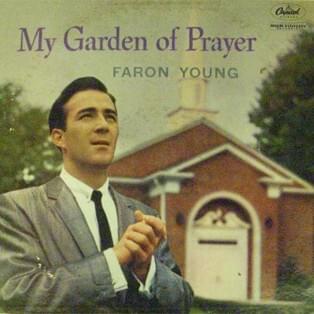
 View Artist