Song Meaning
The lyrics paint a stark picture of a relationship teetering on the brink, questioning the value of a shared life and love that isn't consistently nurtured. The narrator directly challenges the premise of continuing a partnership if it's not being actively maintained, posing a fundamental question: "If our life is worth living together then why let it go?" This opening immediately establishes a tone of earnest plea mixed with growing frustration, highlighting the disconnect between the potential for a fulfilling life and the current reality of neglect. The core issue is the perceived lack of commitment, framed as an imbalance in effort and presence.
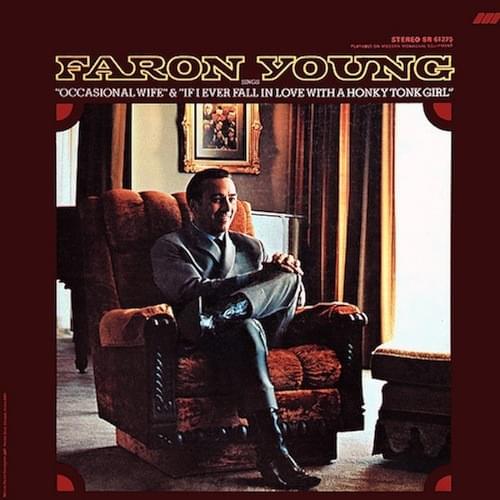
The central tension arises from the narrator's feeling of being shortchanged, receiving only a fraction of their partner's attention. The repeated phrase "occasional piece of your life" underscores this feeling of receiving leftovers rather than genuine engagement. This inconsistency is then powerfully equated to instability in the home, as the narrator states, "A home just can't stand when it has an occasional wife." This striking metaphor suggests that a partnership requires consistent presence and dedication, akin to the foundational elements of a stable dwelling; a part-time spouse, like a part-time foundation, cannot support a lasting structure.
The lyrics suggest the partner is engaged in a "game" of testing boundaries, "See how far you can go." This implies a deliberate, perhaps even manipulative, behavior that disregards the emotional toll on the narrator. The plea "But can't you see what it's doing to me" is a raw expression of pain and a desperate attempt to make the partner acknowledge the damage being inflicted. The reference to "the world we both used to know" hints at a shared past that is now being eroded by the partner's actions, further emphasizing the loss and the potential for irreversible change.
Ultimately, the effectiveness of these lyrics lies in their directness and the potent metaphor of the "occasional wife." By refusing to soften the blow, the narrator forces a confrontation with the reality of their situation. The repetition of the core plea and the stark image of a crumbling home amplify the emotional weight, making it clear that the narrator is demanding a choice between full commitment or the dissolution of the relationship. It's a powerful articulation of the need for consistent effort in love and partnership.
 View Artist