Song Meaning
The narrator is throwing a wild party, a desperate attempt to outrun a lingering thought. He's surrounded by 'pretty girls' and 'pretty young things,' indulging in 'dining and dancing' with a clear goal: 'feeling no pain 'til early morning.' It's a scene of hedonistic escape, a vibrant, almost frantic, pursuit of distraction from a deeper, unaddressed reality.
This revelry, however, is underscored by a profound internal conflict. The repeated refrain, 'Knowing tomorrow I'll wake up with you on my mind,' reveals the futility of his efforts. The champagne and fleeting encounters are merely temporary anesthetics for a persistent emotional ache. The narrator is actively choosing to ignore a truth that will inevitably resurface with the dawn.
The bridge delivers a sharp, almost jarring, confession that re-contextualizes the entire party. The 'guilty conscience' is acknowledged, but immediately undercut by the admission, 'I never loved you much when you were mine.' This isn't regret for a lost love, but perhaps a complex guilt over his current behavior, or a realization that his past indifference makes his present obsession even more perplexing. It adds a layer of self-deception to his escapades.
Ultimately, the lyrics capture a specific kind of self-sabotage. The narrator is caught in a loop, using external validation and excess to avoid confronting an internal truth about his feelings, or perhaps his own capacity for connection. The 'champagne' is a potent, yet temporary, solution to a problem that lives not in the present moment, but in the quiet of the morning after.
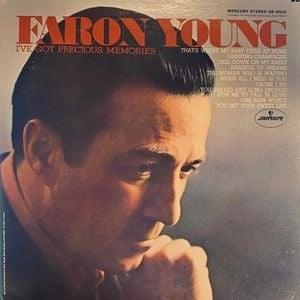
 View Artist